

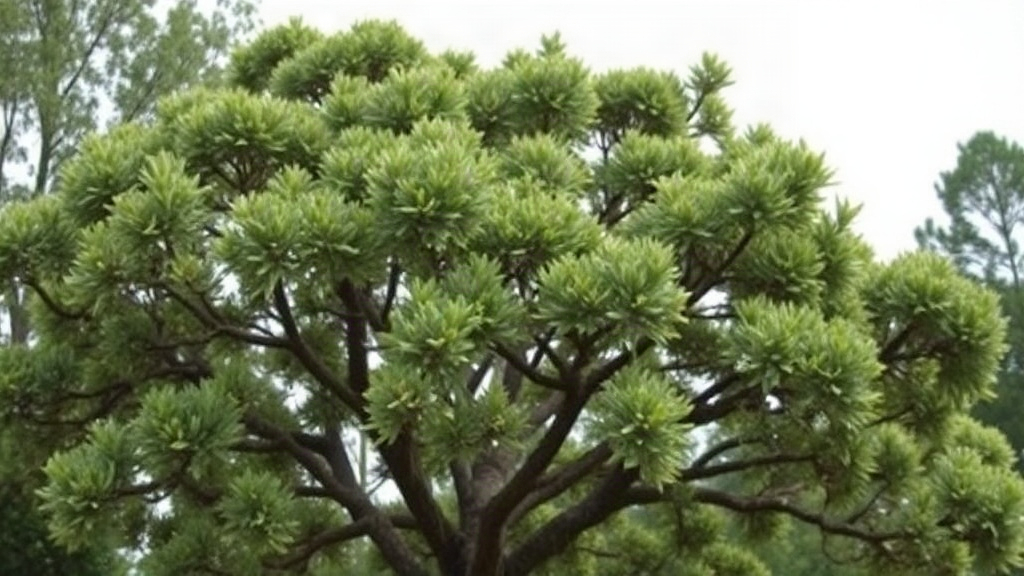
Choosing among the best oak tree species to grow often starts with a simple worry: will such a large tree overwhelm my yard? You can enjoy oaks on modest lots if you pick the right species and give it a sensible spot. A backyard oak should match your space above and below ground, not just look handsome in a catalog. This guide compares compact and manageable oaks, explains what to plan before planting, and points to practical help like begardenly for anyone learning the craft. The goal is a healthy tree that fits your garden for decades.
Quick answer: Look at compact, slower-growing oaks such as dwarf chinkapin, Gambel, or Japanese evergreen oak when space is tight, or full-size species like white and bur oak planted where their spread can be accommodated. Check mature height, spread, and root space first. Match the species to your soil and climate, and plant at least 20 feet from foundations and utilities.
What is best oak tree species to grow?
The phrase describes the oak species that suit a limited yard while still giving you good structure, shade, and wildlife value. Oaks divide broadly into white oaks and red oaks, and this split affects acorn timing, leaf shape, and even soil tolerance. White oaks typically have rounded leaf lobes and acorns that ripen in one season. Red oaks carry pointed lobes and acorns that take two seasons to mature.
For a small backyard, the practical shortlist includes these species:
- Dwarf chinkapin oak (Quercus prinoides): A shrubby oak often under 15 feet tall that produces acorns at a young age.
- Gambel oak (Quercus gambelii): A western species that often stays shrublike and spreads by suckers, useful for borders.
- Japanese evergreen oak (Quercus glauca): A smaller evergreen option for mild-winter regions, often kept near 20 feet.
- Chinkapin oak (Quercus muehlenbergii): A faster-growing oak with a modest spread that tolerates alkaline soil.
- Bur oak (Quercus macrocarpa): Large, but with a structure that suits generous yards and tough climates.
Big oaks like coast live oak, white oak, and red oak can work, yet they demand more room and more years. A full-size oak may reach 60 to 80 feet with a spread to match, so plan carefully.
Takeaway: For tight spaces, choose a compact or slow-growing species. For larger yards, select a full-size oak only after measuring the eventual spread.
Two more candidates deserve a look. Shumard oak (Quercus shumardii) grows moderately fast with good fall color and tolerates a range of soils. Willow oak (Quercus phellos) offers fine, narrow leaves and a tidy shape, though it prefers consistent moisture. Both stay more modest than white oak in many settings, but still need generous clearance.
Why best oak tree species to grow matters
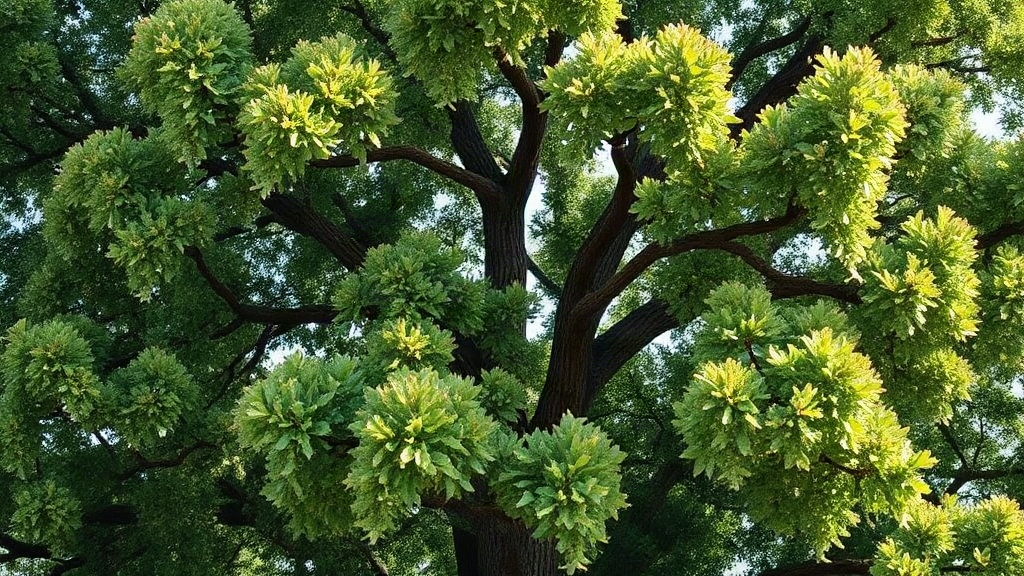
Getting the species right saves you from a costly removal later. An oak planted too close to a driveway may crack pavement. One planted beside a house may drop limbs near the roof after decades of growth. A mismatched species may also struggle against your local soil or winter cold, so it never thrives.
Oaks are long-lived and build strong wood, which makes them excellent shade trees. They also feed wildlife: acorns support birds, squirrels, and insects. One oak can host hundreds of insect species, which in turn feed songbirds. For homeowners who want a low-maintenance yard, that trade-off matters because each tree you plant is a decades-long commitment.
Oak roots spread far and prefer deep, undisturbed soil. A tree that looks fine above a lawn may be fighting compacted soil beneath it.
Timing also affects cost. A young sapling is cheap and adapts well, while a large nursery specimen costs far more and needs more water to establish. Choosing a species that suits your climate from the start reduces watering, pruning, and replacement bills over the tree’s life.
Takeaway: Species choice decides how much shade, wildlife, and maintenance you get, and how many hidden costs you avoid.
Consider the spread of surface roots as well. Shallow-rooted oaks can lift patios and buckle paths, so choose a species with deeper roots or set it farther back. Placement also changes how much leaf litter lands in gutters and on roofs. A deciduous oak beside a driveway means years of autumn raking, while an evergreen species drops leaves year-round. Weigh those chores before choosing.
Best practices
Start with the site. Watch sunlight through a full day before you shop, and note where water pools after rain. Most oaks want at least six hours of direct sun and well-drained soil. Send a soil sample to your local extension service; it tells you the pH and nutrient levels for a small fee. Chinkapin oak handles alkaline soil better than many others, while pin oak prefers acidic ground.
Plant at the right depth. Dig a hole two to three times wider than the root ball but no deeper than its height. Set the root flare just at ground level and never bury the trunk. Water thoroughly after planting, then give the tree about one inch of water per week during the first two summers.
Space the tree correctly. A compact oak needs about 15 feet of clearance; a full-size oak needs 30 feet or more from buildings, fences, and power lines. Call before you dig so you avoid buried lines.
For readers who enjoy starting trees from seed, growing an acorn in water is a simple way to understand how germination works before planting a young oak in the yard.
Care after planting stays simple. Add a ring of mulch two inches thick, kept a few inches off the trunk. Prune only damaged or crossing branches, and do it in the dormant season. Skip fertilizer in the first year; new roots need time before they support heavy growth.
Takeaway: Sun, drainage, correct planting depth, and generous spacing do more for a young oak than any product you can buy.
Protect the trunk from mowers and string trimmers with a clear mulch ring rather than close-cropped grass. Water in the morning so foliage dries before evening, which reduces fungal problems. After the first year, stretch the watering interval and water more deeply, encouraging roots to follow moisture downward instead of hovering near the surface.
Common mistakes to avoid
The most frequent error is planting a full-size oak without measuring its final spread. A tree that looks small at the nursery can shade an entire lawn and crowd a house within a generation. Measure twice, then allow extra room beyond the mature numbers.
Another mistake is planting too deep. A buried root flare slowly suffocates the trunk and invites rot. Keep the base of the trunk visible.
Homeowners often water too much or too little. A daily sprinkle encourages shallow roots, while long dry spells stress the tree. Deep, weekly watering is better than frequent light sprinkling.
Pruning a young oak at the wrong time is risky. Fresh pruning wounds can attract disease, especially in spring and early summer. Trim during dormancy when growth is paused.
Buying without checking hardiness is another trap. A species that grows well in a warm climate may die back in cold winters, and the reverse is true. Match the species to your winter temperatures.
Takeaway: Slow down at the buying stage. Spacing, planting depth, watering, and hardiness choices prevent most failures.
Staking is another common misstep. Many new oaks do not need a stake, and tight ties can girdle a trunk within a season. If wind is severe, use two loose stakes with flexible ties that allow the trunk to sway, and remove them after one growing season. Also resist the urge to amend the backfill with rich compost; native soil alone encourages roots to spread outward, while a pampered planting hole can create a pot-like boundary the roots refuse to leave.
FAQ
Can an oak tree grow in a small yard?
Yes, if you choose a compact species and give it adequate clearance. Dwarf chinkapin and Gambel oak stay manageable, while full-size species need far more room. Always check the mature height and spread before buying.
How close can I plant an oak to my house?
Keep at least 20 feet between a small oak and the foundation, and 30 feet or more for a large species. Roots and branches both spread outward. Local codes may set firmer rules for trees near utilities.
How long does it take for an oak to produce acorns?
Many oaks need 10 to 20 years before their first heavy acorn crop, though some shrubby species produce sooner. Results vary by species, climate, and site quality. Treat the first acorns as a sign the tree has matured.
Are oak trees expensive to maintain?
Not usually, once a tree is established. Young oaks need watering for the first two summers. Mature trees mainly need occasional pruning and cleanup of falling leaves and acorns.
Which oak is best for wet or clay soil?
Pin oak and swamp white oak tolerate wetter, heavier soils better than most dry-site species. Chinkapin oak handles alkaline conditions well. Confirm drainage before choosing.
Conclusion
The best oak tree species to grow depends on your space, not on popularity rankings. Measure your yard, check hardiness and drainage, and pick a compact species if room is short. Plant at the correct depth, water deeply for the first two summers, and leave generous clearance from buildings and utilities. For your next step, list two or three candidate species and compare their mature heights against your actual lot lines. Then bring a soil sample to your extension office so your final choice rests on real site conditions rather than a guess.




Leave a Reply