

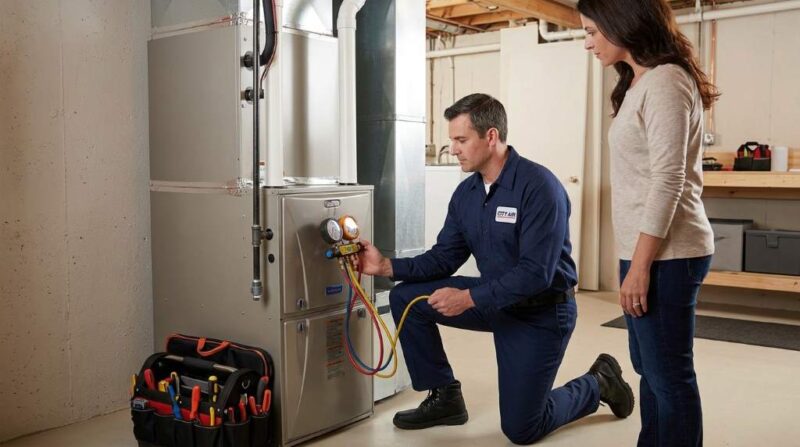
The heating and air conditioning industry continues to grow as homeowners and businesses depend on reliable indoor comfort. Recent industry reports show HVAC demand remains strong due to aging systems and energy efficiency upgrades. Moreover, extreme weather patterns increase the need for professional climate control services. Many entrepreneurs enter this field because it offers recurring revenue and long term customer relationships. Understanding how to make money in heating and air conditioning business helps owners build steady profits while creating a valuable local brand.
Why The HVAC Industry Offers Strong Profit Potential
Heating and cooling systems remain essential in nearly every building across the country. As a result, customers need installation, maintenance, repairs, and replacements throughout the year. Property owners rarely delay critical climate control work for long periods. Therefore, HVAC companies often enjoy consistent demand across multiple customer segments.
Seasonal changes also create recurring service opportunities for business owners. During summer, air conditioning systems operate under heavy stress. Likewise, heating systems receive increased use during colder months. This ongoing equipment usage creates repeat business and long term customer value. Consequently, smart contractors can generate revenue throughout the year.
Technology improvements also create new earning opportunities in the industry. Smart thermostats, indoor air quality systems, and energy efficient equipment continue gaining popularity. Business owners who understand these solutions often close larger projects. Furthermore, educated customers frequently seek expert guidance before purchasing advanced systems.
Start With A Profitable Business Model
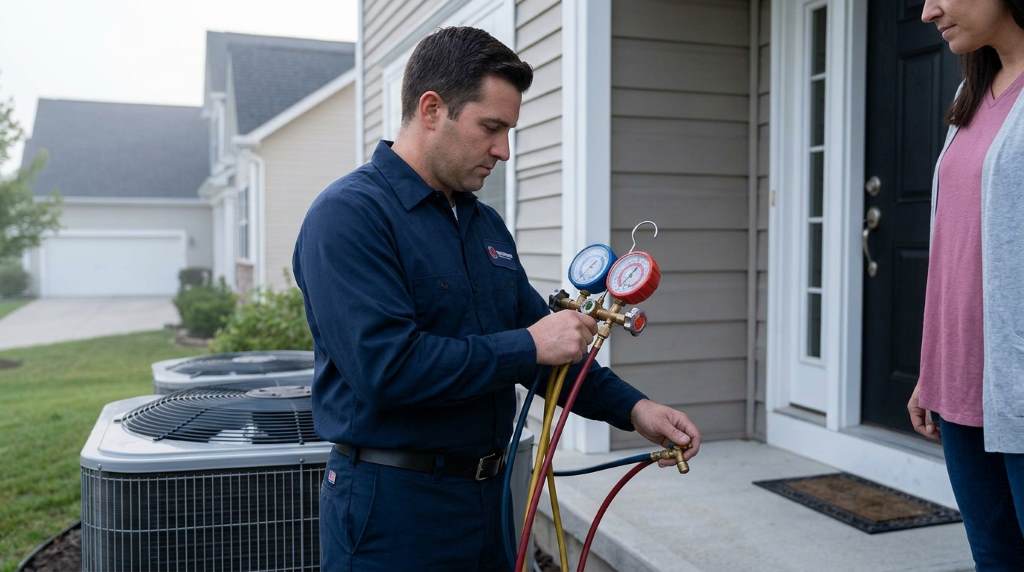
Choosing the right business model impacts revenue from the beginning. Some companies focus on residential work while others target commercial properties. However, many successful operators serve both markets to balance seasonal demand. Building a clear strategy helps allocate resources efficiently.
Business planning remains essential before investing heavily in equipment and staffing. Learning from industries with proven operational systems can help owners avoid mistakes. For example, studying a food truck business plan demonstrates how strong planning supports sustainable growth. Similar principles apply when building an HVAC company.
Residential Services
- Air conditioner installation
- Heating system replacement
- Seasonal maintenance plans
- Emergency repair services
- Indoor air quality upgrades
Commercial Services
- Building HVAC maintenance
- Rooftop unit repairs
- Energy management solutions
- System retrofits
- Preventive service agreements
Focus On Recurring Revenue Streams
Many HVAC businesses depend too heavily on one time installation projects. Although installations provide large payments, recurring services create predictable cash flow. Therefore, maintenance agreements should become a major business priority. Stable monthly income improves financial planning and business resilience.
Maintenance memberships encourage customers to schedule regular inspections. These visits help identify small issues before expensive failures occur. Additionally, technicians gain opportunities to recommend upgrades when necessary. Consequently, membership programs increase both retention and revenue.
Service contracts also reduce seasonal slow periods. Instead of waiting for emergency calls, businesses schedule preventive visits throughout the year. This approach keeps technicians productive during quieter months. As a result, labor resources remain better utilized.
Increase Revenue With Energy Efficiency Solutions
Energy costs continue rising for many property owners. Therefore, customers actively seek methods to reduce utility expenses. HVAC businesses can profit by recommending high efficiency systems and energy saving upgrades. These solutions deliver value while increasing average project size.
Homeowners often replace outdated equipment after reviewing long term operating costs. Smart contractors explain savings clearly using real consumption estimates. Furthermore, utility incentives may improve customer interest in upgrades. This combination often leads to faster purchasing decisions.
Businesses can also perform energy assessments before proposing system improvements. These evaluations identify inefficiencies that affect comfort and operating expenses. Consequently, customers view the contractor as a trusted advisor rather than a salesperson. Strong trust frequently leads to higher conversion rates.
Use Climate Specific Opportunities
Regional climate conditions influence customer needs significantly. Understanding local weather patterns helps businesses market the right services. Therefore, HVAC companies should adapt offerings to regional demand. Customized solutions often generate stronger results than generic service packages.
In hot and humid regions, air conditioning maintenance becomes especially important. Customers frequently experience heavy system usage during extended summer periods. As a result, preventive inspections help reduce breakdown risks. Businesses can promote seasonal tune ups before peak temperatures arrive.
In colder regions, heating reliability becomes the primary customer concern. Furnace inspections and heat pump servicing remain high demand offerings. Moreover, homeowners often prioritize emergency repair availability during winter storms. Fast response times can become a major competitive advantage.
Build High Value Service Packages
Bundling services helps increase average transaction values without aggressive selling. Customers appreciate convenience when purchasing multiple solutions together. Therefore, package options often improve customer satisfaction and profitability. Well designed bundles simplify decision making.
A premium package might include system inspection, filter replacement, thermostat calibration, and priority scheduling. Meanwhile, higher tier plans can include annual performance testing. Customers often choose mid range or premium packages when benefits appear clear. This strategy increases revenue per client.
Businesses should review package performance regularly and adjust offerings accordingly. Customer preferences evolve as technology and market conditions change. Consequently, flexible service design remains important. Continuous refinement helps maximize profitability.
Leverage Technology To Improve Margins
Modern software helps HVAC companies operate more efficiently. Scheduling tools reduce administrative work and improve technician productivity. Additionally, route optimization lowers fuel expenses and travel time. These savings directly improve profit margins.
Digital documentation also strengthens customer communication and record keeping. Similar to efforts used to digitize family photo albums, HVAC businesses can organize service records digitally. Easy access to historical information improves customer service. Moreover, accurate records support future sales opportunities.
Online booking systems also increase convenience for customers. Many homeowners prefer scheduling appointments without making phone calls. Therefore, digital scheduling can improve conversion rates. Better accessibility often leads to additional bookings.
Master Upselling Without Pressure
Successful upselling focuses on customer needs rather than sales tactics. Technicians should explain equipment conditions clearly and honestly. When customers understand potential risks, they make informed decisions. This approach strengthens credibility.
Air quality products often represent valuable upsell opportunities. Many homeowners worry about allergens, dust, and indoor pollutants. Therefore, air purification systems may complement existing HVAC services. Customers benefit from healthier indoor environments.
Smart thermostats also remain popular upgrade options. These devices improve convenience while reducing energy consumption. Furthermore, installation requires relatively little time compared to larger projects. This combination creates attractive profit potential.
Create Multiple Marketing Channels
Marketing drives growth when executed consistently. Businesses should avoid relying on a single customer acquisition source. Instead, combine local SEO, referrals, paid advertising, and community engagement. Diversification reduces marketing risk.
Online reviews significantly influence purchasing decisions today. Therefore, companies should encourage satisfied customers to share feedback. Positive reviews improve trust and local search visibility. Consequently, businesses attract more qualified leads.
Referral programs also generate high quality prospects. Existing customers often recommend trusted contractors to friends and family. Offering simple incentives encourages more referrals. As a result, acquisition costs may decrease substantially.
An Overlooked Profit Source Most Blogs Ignore
Many HVAC articles focus only on installations and repairs. However, equipment lifecycle data represents a valuable business asset. Tracking system age, repair frequency, and efficiency trends helps predict replacement opportunities. Few small contractors use this information effectively.
Businesses can build detailed customer equipment profiles during every service visit. Over time, these records reveal patterns that support proactive recommendations. Consequently, contractors contact customers before major failures occur. Customers appreciate planning ahead rather than facing emergency replacements.
This data driven approach improves customer experience while increasing conversion rates. Instead of generic sales outreach, businesses provide personalized recommendations. Therefore, trust grows naturally through relevant communication. This strategy creates a competitive advantage that many local competitors overlook.
Understand The Long Term Value Of An HVAC Business
The true value of an HVAC company extends beyond immediate revenue. Strong customer retention, recurring contracts, and operational systems increase business worth. Understanding the value heating air conditioning business helps owners make smarter growth decisions. Long term thinking often produces stronger financial outcomes.
Businesses with documented processes attract greater interest from potential buyers. Reliable systems reduce dependence on individual employees. Additionally, recurring revenue improves valuation metrics. Therefore, operational discipline supports future exit opportunities.
Owners should focus on building assets that create sustainable growth. Customer databases, service agreements, and trained staff contribute significantly. Over time, these elements strengthen company stability. Strong foundations support higher profitability.
Conclusion
Learning how to make money in heating and air conditioning business requires more than technical skills. Profitable companies combine recurring revenue, efficient operations, strong marketing, and customer focused service. Moreover, businesses that use data, technology, and preventive maintenance strategies often outperform competitors. Focus on long term relationships instead of short term transactions. Start implementing these strategies today to build a stronger, more profitable HVAC business.
FAQs
How profitable is an HVAC business?
An HVAC business can be highly profitable when it combines installations, maintenance plans, and recurring service contracts.
What service makes the most money in HVAC?
System replacements and commercial service agreements often generate the highest revenue.
How can HVAC companies get more customers?
Local SEO, referrals, online reviews, and community marketing help attract more customers.
Why are maintenance agreements important?
Maintenance agreements create recurring income and improve customer retention.
Can small HVAC companies compete with larger firms?
Yes, small companies often succeed through personalized service, faster response times, and strong local relationships.





Leave a Reply