

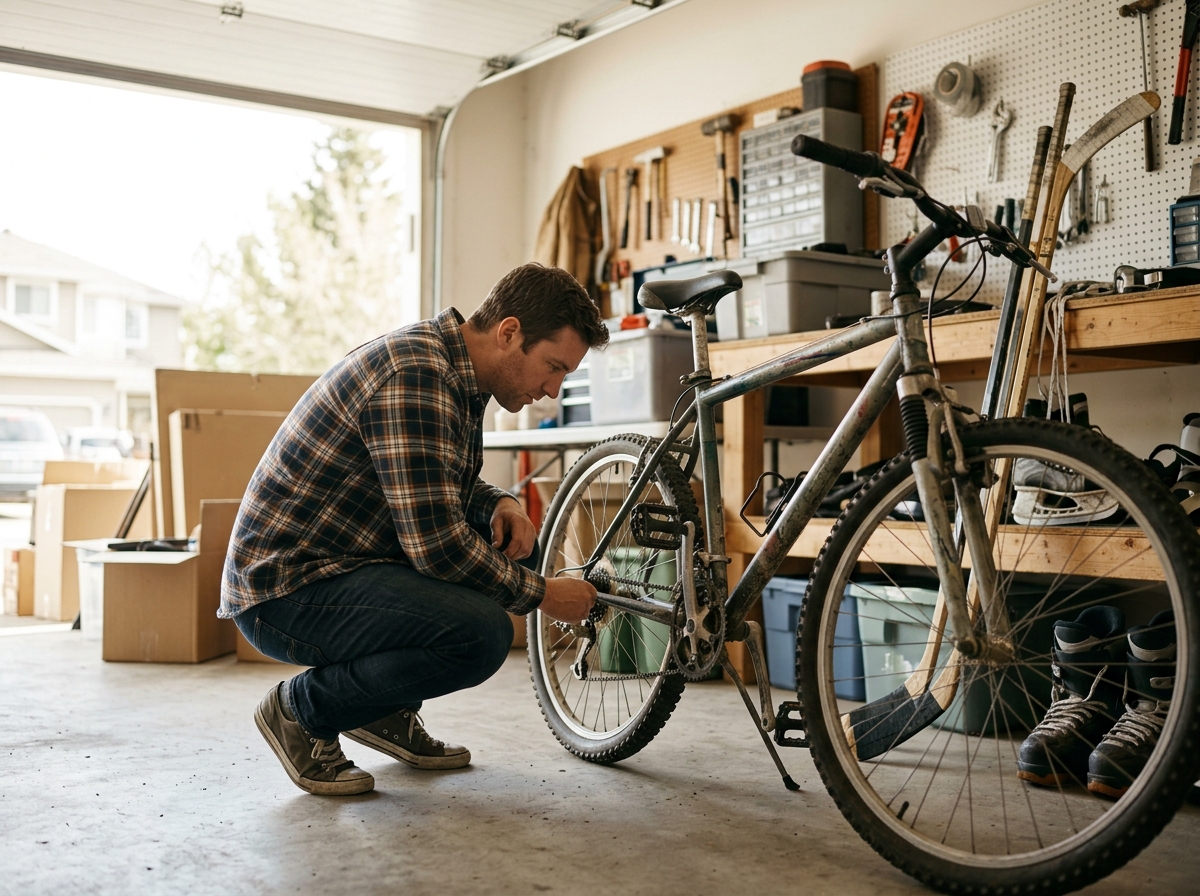
A scratched deck, a wobbly wheel, or a hidden crack can turn used sports gear from a bargain into a money pit—and ten minutes of careful inspection makes all the difference. If you’re hunting for the cheapest longboard https://coolsurfinggear.com/best-affordable-longboards you can find, the same rules apply whether you’re buying a board, skis, a bike, or a set of golf clubs: check the parts that are expensive to replace, not the merely ugly parts. This guide walks through what actually matters before money changes hands.
Quick Answer
1. Before you buy used sports gear, check five things:
2. Inspect structural integrity for cracks, dents, and deep gouges.
3. Test moving parts like bearings, wheels, pivots, and drivetrains.
4. Examine key contact surfaces you rely on most, such as grip tape, soles, bindings, and brakes.
5. Spot signs of hidden repairs or heavy wear.
6. Confirm that retailers still sell replacement parts at a reasonable cost.
If any of those five fails, walk away — no discount makes a broken core worthwhile. Meeting in person and testing the gear before payment is the single best protection you have.
Key Takeaways
- Structural damage — cracks, delamination, bent frames — is the one flaw you can rarely fix cheaply, so check it first.
- Wear items like bearings, grip tape, brake pads, and tires are fine to buy worn, as long as you price their replacement into the deal.
- Ask the seller directly about age, storage conditions, and repairs. Honest answers are informative; vague ones are a warning sign.
- Test before you pay whenever possible: roll it, flex it, spin the wheels, click through the gears.
- Research parts availability before buying older gear — obsolete components can quietly turn a bargain into a paperweight.
Start With the Parts That Are Expensive to Fix
Every piece of sports gear has a hierarchy of repairability. Cheap parts fail often and cost little to swap. Core structural parts fail less frequently, but their failure prompts gear sales in the first place. Your inspection should follow that same order.
On a longboard or skateboard, for example, the deck is the expensive core. Wheels, bearings, bushings, and grip tape are consumables — you can replace all of them for a predictable, modest cost. A cracked or delaminated deck, on the other hand, is usually terminal. So when you pick up a used board, flex it gently and look along the edges and around the truck mounting holes for hairline cracks, soft spots, or layers that have started to separate.
The same logic applies elsewhere. When evaluating a used bike, prioritize frame integrity over the groupset. Skis demand a close look at the core and edges rather than the top sheet graphics, while a club’s shaft and hosel reveal far more than the grip. If the core structure is sound, almost everything else is negotiable.
What structural damage actually looks like
Not all damage is obvious. Useful things to look for across most gear types:
- Cracks that radiate from bolt holes, welds, or joints — these concentrate stress and tend to grow.
- Delamination or soft spots on composite decks, skis, and rackets — press firmly with your thumb and compare one area to another.
- Bends or ripples in metal frames — even a slight bend in a bicycle frame or ski edge can affect handling and is often a sign of a crash.
- Repainted areas or mismatched hardware — sometimes cosmetic, sometimes covering a repair.
- Creaking or clicking under load — test by applying weight or flexing the gear; noises often reveal loose or cracked joints.
Moving Parts: Cheap to Replace, Expensive to Ignore
Bearings, pivots, drivetrains, and suspension components show how the previous owner treated the gear. Gritty, grinding bearings suggest the rider likely rode the longboard in wet or sandy conditions and stored it carelessly. A bike with a skipping chain has probably logged serious mileage. None of that is automatically a dealbreaker — but it should change what you’re willing to pay.
Practical checks that take seconds:
- Spin the wheels. They should turn smoothly and coast for a while. Grinding, wobbling, or stopping almost immediately means you need new bearings or truing.
- Wiggle the wheels side to side. Excessive play suggests worn bearings or a bent axle.
- Shift through the gears on a bike and listen for hesitation, chain skip, or a derailleur that won’t reach the full range.
- Compress suspension on a mountain bike and check for oil leaks or a stuck rebound.
- Check pivot points on skis, bindings, and folding gear for looseness or rust.
The key principle: worn moving parts are a discount lever, not a disqualifier — as long as you know the replacement cost before you negotiate.
Check the Contact Surfaces You’ll Actually Rely On
Contact surfaces are where safety and performance meet. Smooth grip tape, bare-metal brake pads, and collapsed midsoles all compromise your gear’s performance.
On a used longboard, run your hand over the grip tape. If it feels slick or glossy in the middle, it needs replacing before you ride — cheap to do, but a sign the board saw heavy use. Check the wheels for flat spots and the trucks for bent axles by sighting along them. If the board has brakes (rare but present on some cruiser setups), inspect the pad thickness.
On other gear, the equivalent checks are:
- Bikes: brake pad thickness, tire tread and sidewall condition, chain wear.
- Skis and snowboards: base scratches deep enough to reach the core, edge rust, binding release function.
- Climbing and protective gear: webbing fraying, buckle function, helmet foam integrity — never buy used helmets or soft climbing gear with unknown history, since hidden damage can be invisible.
- Rackets: grip wear, string tension, frame cracks at the throat.
Safety-critical items with unknown crash or load history — helmets, climbing ropes, harnesses — are the one category where “used” is usually the wrong answer regardless of price.
Ask the Right Questions Before You Meet
Sellers reveal a lot in how they answer simple questions. Before traveling to see anything, ask:
1. How old is it, and how often did you use it?
2. Where did you store it — indoors, garage, shed, or outdoors?
3. Have you repaired or modified it? If so, who did the work?
4. Why are you selling it?
5. Does anyone know of any issues, even minor ones?
You’re not looking for perfect answers. You’re looking for consistency. A seller who says “ridden a few times, stored in the garage” but then shows you a board with worn-through grip tape and rusty hardware is either misremembering or misrepresenting. Either way, recalibrate.
Vague answers like ‘it’s fine’ or ‘I don’t know much about it’ don’t automatically signal dishonesty — plenty of people sell gear they inherited or bought secondhand themselves. But that uncertainty should translate into a lower offer and a more careful inspection.
Price the Replacement Parts Before You Negotiate
One of the most useful habits in buying used gear is to build a quick mental “true cost” total: asking price plus the cost of every part you know needs replacing. A longboard listed cheaply but needing new bearings, wheels, grip tape, and bushings might cost more than a slightly pricier board that’s ready to ride.
| Component | Typical Wear Symptom | Repairable? | Negotiation Impact |
|---|---|---|---|
| Deck/frame | Cracks, delamination, bends | Rarely | Dealbreaker if serious |
| Bearings/drivetrain | Grinding, skipping, wobble | Yes | Moderate discount |
| Wheels/tires | Flat spots, bald tread | Yes | Moderate discount |
| Grip tape/pads | Smooth, slick, glazed | Yes | Small discount |
| Bindings/brakes | Loose, rusty, sticking | Sometimes | Depends on parts availability |
Use the table as a mental checklist rather than a fixed formula — the exact costs vary, and you should look up current part prices for your specific model when the deal matters.
Test Before You Pay, and Pay Safely
The single most reliable protection against a bad used-gear purchase is a hands-on test. Roll the longboard down a smooth stretch. Ride the bike around the block. Take a few practice swings with the clubs. Flex the skis. Any seller unwilling to let you test the gear is revealing something important.
For payment logistics:
- Meet in a public place during daylight.
- Bring exact cash or use a payment method with buyer protection if the platform supports it.
- Get a receipt or keep the listing and messages — useful if a serious hidden defect emerges immediately.
- If buying from an online marketplace with shipping, prefer platforms that offer dispute resolution over person-to-person transfers with no recourse.
Walk away if anything feels off. There will be another listing. The cheapest option today isn’t cheap if it’s unusable or unsafe next week.
Frequently Asked Questions
Is it safe to buy a used longboard?
Yes, if you inspect the deck for cracks and delamination, check the trucks for bends, and spin the wheels. Longboards have few critical parts, so a careful in-person inspection covers most risks. Avoid boards with visible structural damage to the deck.
What used sports gear should I never buy secondhand?
Helmets, climbing ropes, harnesses, and any protective gear with an unknown crash history. Hidden damage in these items can fail without warning, and there’s no reliable way to verify their safety from the outside.
How much should I pay for used gear?
There’s no universal percentage, but a useful starting point is to subtract the cost of every part that needs replacing from the price of a comparable new item, then negotiate from there. Gear in genuinely like-new condition with receipts sometimes justifies paying close to new prices.
What does delamination look like on a skateboard deck?
Look for lifting edges, white or cloudy streaks between wood layers, and soft spots when you press with your thumb. Tap the deck with a coin and listen for a dull thud instead of a crisp knock — that often signals a separated layer.
Should I buy used gear online without seeing it?
Only with buyer protection. Ask for detailed close-up photos of the problem areas, request a video of the gear in use, and use a platform with dispute resolution. Person-to-person transfers with no recourse are risky for anything expensive.
How can I tell if used bearings need replacing?
Spin each wheel and listen. Worn or contaminated bearings usually cause grinding, roughness, or wheels that stop quickly. Side-to-side play in the wheel also indicates worn bearings or a bent axle. Bearings are inexpensive to replace, so factor that into your offer rather than rejecting the gear outright.
Conclusion
Buying used sports gear rewards patience and a short, disciplined inspection routine. Check structural integrity first, moving parts second, and contact surfaces third — then ask the seller questions that reveal how they treated the gear. Price the replacement parts before you negotiate, and test the gear in person whenever you can. Do those things and the cheapest option on the listing page can genuinely be the best value, instead of a repair bill waiting to happen.



Leave a Reply