


Pricing handmade products remains one of the biggest challenges for makers. Many artisans undercharge because they focus only on material costs. However, labor, overhead, and business expenses also affect profitability. According to industry reports, many small craft businesses struggle with pricing accuracy. Therefore, learning a structured pricing method helps create sustainable income and long term growth.
Why Proper Pricing Matters
Many creators set prices based on guesswork or competitor rates. As a result, they often earn less than they deserve. A strong pricing strategy protects your time and effort. Furthermore, it allows your business to grow without financial stress.
When prices remain too low, customers may question product quality. On the other hand, fair pricing reflects craftsmanship and professionalism. Therefore, customers often feel more confident when buying. In addition, proper pricing creates room for future expansion.
Every handmade item represents creativity, skill, and experience. Therefore, each product deserves a value beyond its raw materials. Many successful artisans understand this principle early. Consequently, they build stronger and more profitable businesses.
Understand All Costs Before Pricing
Many makers focus only on visible expenses. However, hidden costs often reduce profits significantly. Therefore, identifying every expense becomes the first pricing step. This approach creates a more accurate selling price.
Material Costs
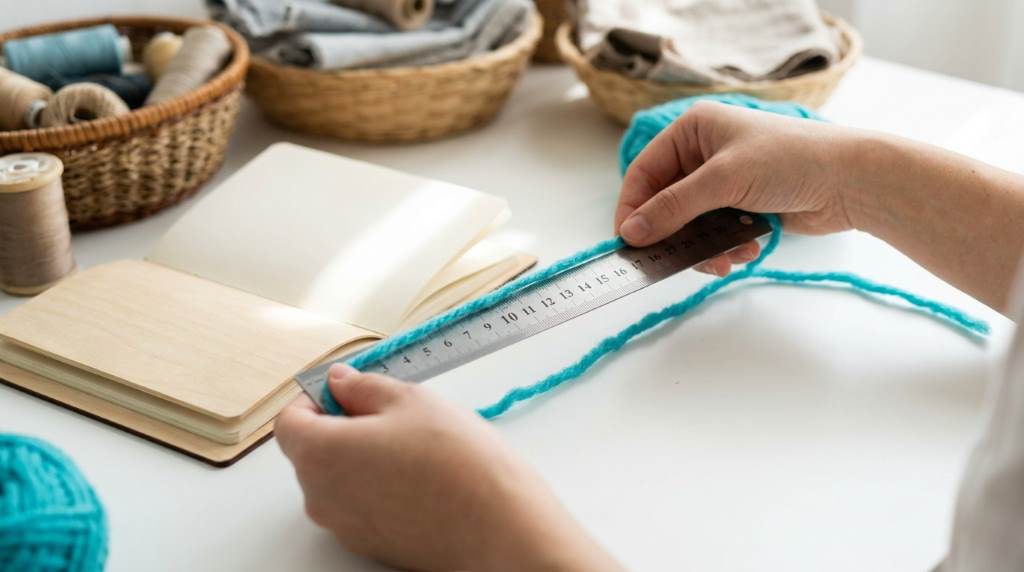
Material costs include everything used to create the product. These expenses cover fabric, wood, paint, beads, yarn, packaging, and labels. Therefore, calculate every material carefully before setting a price. Small costs add up faster than expected.
Keep detailed records of every supply purchase. Moreover, track the exact amount used in each item. This practice improves pricing accuracy over time. As a result, profit margins become easier to manage.
Labor Costs
Your time has value and deserves compensation. Therefore, include labor in every pricing calculation. Start by deciding a reasonable hourly rate. Then multiply that rate by production time.
For example, suppose a handmade candle requires two hours. If your hourly rate equals twenty dollars, labor costs reach forty dollars. Consequently, labor becomes one of the largest pricing factors. Ignoring it often causes financial loss.
Overhead Expenses
Overhead includes costs that support production indirectly. These expenses include electricity, internet, workspace rent, software, and equipment maintenance. Although they seem small individually, they affect profitability greatly. Therefore, allocate a portion to every product.
Many artisans forget overhead costs completely. As a result, they underestimate their true expenses. However, successful businesses spread overhead across all products. Consequently, pricing becomes more sustainable.
The Basic Handmade Pricing Formula
A simple formula helps establish a reliable starting point. Many professional makers use variations of this method. Therefore, beginners can apply it confidently. The formula remains easy to understand and implement.
Price = Materials + Labor + Overhead + Profit Margin
Suppose materials cost ten dollars and labor costs twenty dollars. Assume overhead adds five dollars. Therefore, the total production cost becomes thirty five dollars. Then add your desired profit margin.
If you add a fifteen dollar profit margin, the final price becomes fifty dollars. This method creates a clear structure. Moreover, it prevents emotional pricing decisions. Consequently, consistency improves across product lines.
How to Calculate a Fair Hourly Rate
Many makers struggle when setting labor rates. They often choose extremely low figures. However, this practice limits income potential significantly. Therefore, determine a realistic rate based on skill and experience.
Start by calculating your desired annual income. Then estimate yearly working hours. Divide income by hours to find an hourly rate. As a result, you create a business focused pricing structure.
Highly specialized skills deserve higher compensation. For example, advanced woodworking requires years of practice. Similarly, custom jewelry design involves expertise and precision. Therefore, skilled artisans should price accordingly.
Adding a Profit Margin
Profit differs from labor compensation. Labor pays for your work time. Profit supports business growth and future investments. Therefore, every handmade item should include both elements.
Many successful artisans target profit margins between twenty and fifty percent. However, the ideal percentage varies by product category. Therefore, evaluate market conditions carefully. Then adjust margins based on demand.
Profit helps replace equipment and purchase inventory. Furthermore, it provides financial stability during slower periods. Without profit, business growth becomes difficult. Consequently, long term success may suffer.
Wholesale Versus Retail Pricing
Many handmade businesses eventually sell through retailers. Therefore, understanding wholesale pricing becomes essential. Retail and wholesale pricing serve different purposes. As a result, each requires a separate calculation.
A common approach doubles wholesale prices for retail sales. For example, a wholesale price of twenty five dollars often becomes fifty dollars retail. Therefore, build enough margin into your pricing structure. This preparation supports future opportunities.
Planning for wholesale from the beginning offers flexibility. Moreover, it prevents pricing adjustments later. Consequently, your business remains prepared for growth. Many experienced artisans follow this strategy.
Consider Seasonal Production Costs
Many pricing guides ignore seasonal cost fluctuations. However, climate conditions often influence production expenses. Therefore, makers should monitor changes throughout the year. This factor affects profitability more than many realize.
For example, hot summer weather may increase cooling expenses. Similarly, cold winters often raise heating costs. Therefore, overhead expenses can change seasonally. Adjustments help maintain healthy margins.
Humidity also affects certain handmade products. Woodworkers, candle makers, and soap makers often experience material changes. Consequently, production times may increase. Therefore, seasonal reviews improve pricing accuracy.
A Rarely Discussed Factor: Skill Recovery Pricing
Most pricing articles discuss materials and labor. However, few address the cost of acquiring expertise. Learning advanced skills requires years of practice and investment. Therefore, experience deserves recognition within pricing decisions.
A woodworker may spend years mastering joinery techniques. Similarly, ceramic artists often invest heavily in training. These educational investments improve product quality substantially. Consequently, they contribute real business value.
Skill recovery pricing does not mean charging unreasonable amounts. Instead, it acknowledges the expertise behind the finished product. Therefore, artisans can justify higher prices confidently. Customers often appreciate this transparency.
Research the Market Carefully
Competitor research provides useful pricing insights. However, never copy prices blindly. Each business operates with different costs and goals. Therefore, use research as guidance rather than a rule.
Study products with similar quality and features. Then compare materials, craftsmanship, and customer experience. This process reveals market expectations. Consequently, pricing decisions become more informed.
If your product offers unique benefits, higher pricing may make sense. Moreover, premium branding can support stronger margins. Therefore, focus on value instead of price alone. Customers often pay more for quality.
Common Handmade Pricing Mistakes
- Ignoring labor costs completely.
- Forgetting overhead expenses.
- Copying competitors without analysis.
- Offering excessive discounts frequently.
- Failing to track material usage.
- Using emotional instead of financial pricing.
- Never reviewing prices annually.
These mistakes often reduce profitability significantly. However, they remain surprisingly common among new sellers. Therefore, regular pricing reviews become essential. Consistent evaluation improves financial performance.
Example Handmade Pricing Calculation
Consider a handmade leather wallet. Materials cost fifteen dollars. Labor requires two hours at twenty five dollars per hour. Overhead contributes five dollars.
The production cost equals seventy dollars. Next, add a twenty dollar profit margin. Therefore, the final retail price becomes ninety dollars. This calculation creates a sustainable pricing model.
Although every product differs, the process remains similar. Therefore, use the same structure across product categories. Consistency simplifies decision making. Moreover, it strengthens business planning.
When to Increase Prices
Price adjustments become necessary over time. Material costs rarely remain constant forever. Therefore, businesses should review pricing regularly. Many artisans evaluate prices every six to twelve months.
Increasing demand also supports higher prices. If customers purchase consistently, your value may exceed current pricing. Therefore, gradual increases often make sense. Most loyal customers understand reasonable adjustments.
Additionally, improved skills justify higher rates. Better craftsmanship often creates superior products. Consequently, pricing should reflect that improvement. This strategy supports healthy business growth.
Conclusion
Learning how to calculate the price of a handmade item requires more than estimating material costs. Successful pricing includes labor, overhead, profit, and market positioning. Furthermore, recognizing the value of experience strengthens long term profitability. When you use a structured pricing formula, you gain confidence and consistency.
Review your current products today and calculate their true costs. Then adjust prices where necessary. As a result, your handmade business can become more sustainable and profitable. Start pricing strategically and build a stronger future for your craft.
FAQs
How do I price handmade products for beginners?
Add material costs, labor costs, overhead expenses, and a profit margin.
Should I charge for my time when selling handmade items?
Yes, labor should always be included in your product price.
What profit margin should handmade products have?
Many handmade businesses use profit margins between twenty and fifty percent.
How often should I review my prices?
Review prices every six to twelve months or whenever costs change.
Can I charge more for unique handmade products?
Yes, unique craftsmanship and specialized skills often justify higher prices.





Leave a Reply