

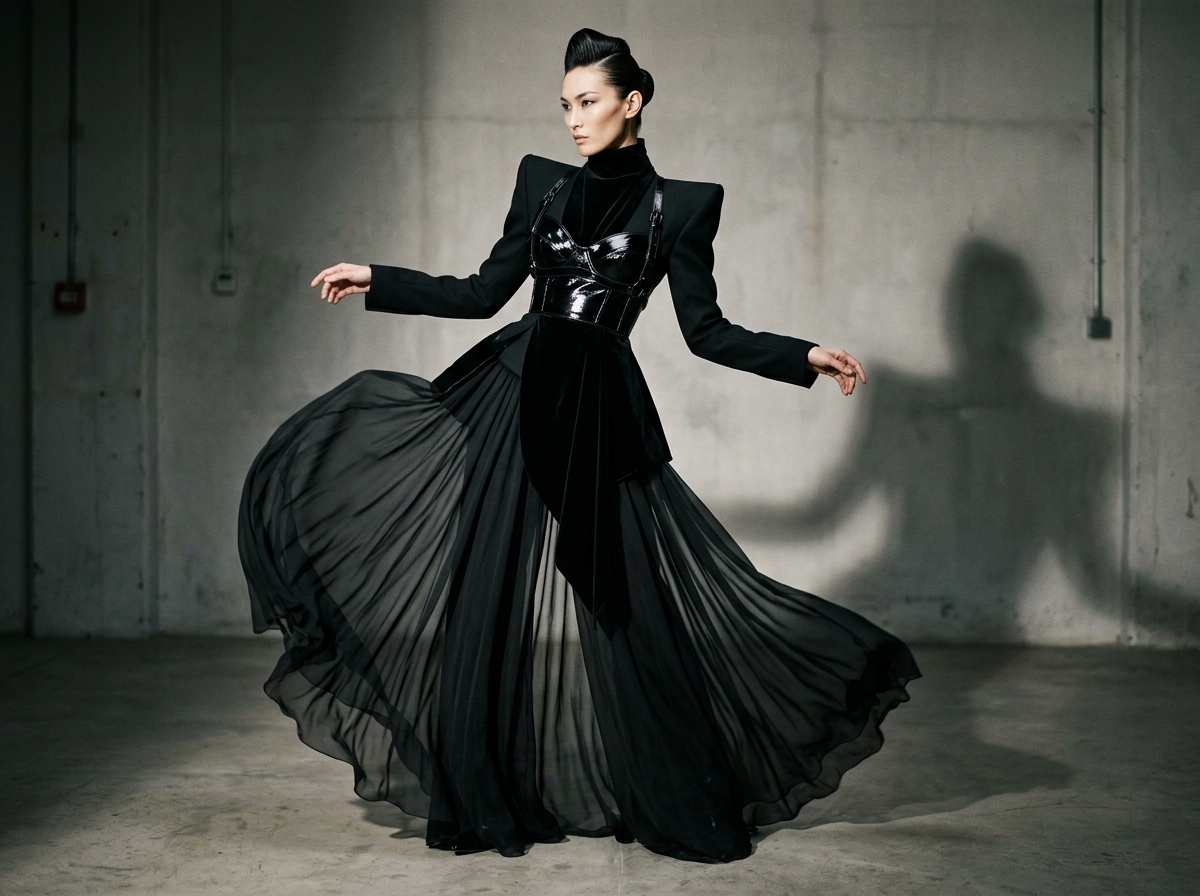
Black rarely sits in the middle. A plain black bandana tied around the wrist, neck, or hair can signal rebellion, grief, professionalism, or simple practicality, depending on who sees it and where they see it. The black bandana meaning shifts with cultural context, personal intent, and regional associations, which is why the same fabric scrap reads differently across generations. That ambiguity helps explain why black stays the most versatile color in fashion while remaining the most misunderstood. This guide breaks down what black actually communicates, when it works for you, and how to avoid the misreadings that trip people up.
Quick Answer
Black usually signals formality, sophistication, authority, or seriousness, but it also carries countercultural, memorial, and subcultural meanings that vary by context. As a bandana color, black often reads as rebellion, edge, or stealth, though some wear it simply for style. Meaning depends on placement, setting, and the wearer’s intent, so no single interpretation applies everywhere.
Key Takeaways
- Black is versatile because it pairs with nearly every color, flatters most skin tones, and works across formal, casual, and subcultural styles.
- Its meanings range from elegance and authority to mourning, rebellion, and anonymity, depending on context.
- Bandana color codes aren’t universal; they vary by region, subculture, and era, so assumptions about a wearer’s identity are often wrong.
- Fit, fabric, and styling influence whether black reads as polished or provocative more than the color itself.
- Understanding context matters more than memorizing fixed color meanings when choosing black for a specific occasion.
Why Black Reads So Differently Across Contexts
Black absorbs light rather than reflecting it, which is why it flattens visual detail and pushes the wearer’s silhouette and features forward. That optical effect makes black simultaneously formal and mysterious: a tailored black suit at a board meeting reads as authority, while the same color on a leather jacket reads as rebellion. The color itself does not change, but the surrounding cues do.
Cultural history adds layers. Western formalwear adopted black for mourning and evening dress, then designers like Coco Chanel and later minimalist houses reframed it as everyday chic. Punk, goth, and metal subcultures pulled black in the opposite direction, using it to reject mainstream polish. Streetwear and hip-hop culture later absorbed black as a default neutral that could signal status through branding and cut rather than color. Each layer still shapes how people read the color today.
The Practical Upside of That Ambiguity
Because black carries multiple meanings at once, it functions as a blank canvas. You can wear a black dress to a funeral, a job interview, a concert, and a dinner date without changing the item, only the styling. Few other colors offer that range. That flexibility is the core reason black stays in nearly every wardrobe, regardless of trends.
Where the Misreading Happens
Misreadings usually occur when someone assumes a single fixed meaning for black. A black bandana on a construction worker’s head is practical sun protection. The same bandana in a specific club setting might signal affiliation. A black veil at a funeral signals mourning; a black veil at a fashion show signals drama. Context, not color, determines the message.
The Black Bandana in Particular
Bandanas started as functional workwear for miners, cowboys, and laborers, then moved into fashion and subculture. Black versions became popular partly because they hide stains, resist obvious fading, and match almost anything.
Common Associations
In many subcultural and regional contexts, black bandanas have been linked to specific gang affiliations, particularly in parts of the United States. Those associations are not universal, and they have shifted over decades. In other settings, black bandanas appear in punk, goth, biker, and metal scenes as a general sign of allegiance to the aesthetic rather than a coded message. Elsewhere, they appear in streetwear, festival fashion, and everyday practical use with no coded meaning at all.
Why the Meaning Is Not Fixed
Color codes vary by city, era, and group. A meaning that applied in one region in the 1990s may not apply now, and may never have applied elsewhere. Treating any single color code as universal leads to false assumptions and awkward misreadings. If you want to signal something specific, checking the expectations of your particular setting matters more than relying on a general chart.
How to Wear Black Well (and Avoid Misreads)
Getting black right comes down to fit, fabric, and context rather than the color itself.
Fit and Fabric
Black hides wrinkles poorly and shows lint, fading, and pilling more than mid-tone colors. Cheap shiny fabrics in black often look cheaper than the same fabric in navy or gray. Choose matte textures like cotton, wool, or dense knits when you want a polished result, and check for fading around elbows and knees. Tailoring matters more in black because the silhouette carries the whole look.
Styling for the Occasion
Add structure for formal settings: sharp shoulders, defined waist, or a clean line. Loosen the fit and mix in leather, denim, or hardware for edgy or casual settings. If you want to soften black’s severity, pair it with warm tones, textured knits, or lighter accessories. If you want maximum intensity, keep everything black and let texture do the work.
Reading the Room
Before wearing a black bandana or a heavily black outfit in a specific setting, consider where you are and who will read it. A funeral, a workplace, a concert, and a neighborhood block party each carry different expectations. Choosing based on the setting prevents the accidental misreadings that make black feel risky when it is actually just context-dependent.
Brands like https://www.todaydresses.com/ lean into black’s versatility by building around silhouettes and cuts that let the color shift meaning without changing the garment, which is why the shade keeps working across seasons and occasions.
Black vs. Other Deep Neutrals
Black is not the only dark neutral, and the differences matter when you are choosing what to wear.
| Color | Common Associations | Best For | Limitations |
|---|---|---|---|
| Black | Formality, mourning, rebellion, sophistication | Evening wear, minimalism, edgy styling, uniforms | Can look severe or flattening; shows lint and fading |
| Navy | Professionalism, reliability, classic style | Business settings, smart casual, nautical looks | Less dramatic; can read conservative |
| Charcoal | Softened formality, neutrality | Suits, layering, muted outfits | Can look washed out on some skin tones |
| Brown | Warmth, earthiness, casual ease | Autumn styling, textured fabrics, relaxed looks | Harder to dress up; fewer formal uses |
Black wins on range. Navy is safer in conservative workplaces. Charcoal softens black’s edge without losing formality. Brown adds warmth when black feels cold. None of these alternatives carries the same cultural layering black does, which is why black remains the most useful and most misunderstood option.
Common Mistakes and Misconceptions
Assuming One Fixed Meaning
No color, including black, has a single universal meaning. Anyone who tells you otherwise is describing one subculture or region, not the whole picture.
Wearing Black Without Considering Fit
Black does not fix bad fit. It amplifies it by removing visual distractions. A poorly cut black garment often looks worse than a well-cut one in a less flattering color.
Ignoring Maintenance
Black fades. Wash dark garments inside out in cold water, avoid harsh detergents, and air-dry when possible to slow the fade. Re-dyeing or replacing black basics every couple of years is normal, not a sign of poor care.
Mistaking Fashion Black for Subcultural Black
Most people wearing black are not signaling anything beyond personal taste. Reading subcultural meaning into every black bandana or all-black outfit produces more misreadings than insights.
Frequently Asked Questions
What does a black bandana mean?
A black bandana can signal rebellion, edge, or subcultural affiliation in some settings, and simple practicality or style in others. Its meaning depends on region, subculture, and placement, so no single interpretation applies everywhere.
Is black appropriate for a funeral?
Yes. Black is the traditional mourning color in many Western cultures and remains the safest formal choice. Some cultures use white or other colors, so check the expectations of the specific service if you are unsure.
Does black suit everyone?
Most people can wear black, but the right shade and texture matter. Very dark black can wash out pale skin, while softer blacks or matte textures often flatter better. Pairing black with a complementary tone near the face helps.
Why does black look cheap sometimes?
Black shows fabric quality clearly. Shiny, thin, or poorly finished black fabric looks worse than the same fabric in other colors because the lack of color variation leaves nothing to distract the eye. Matte, dense, well-tailored black garments read as expensive.
Is a black bandana a gang symbol?
In some regions and eras, black bandanas have been associated with specific gang affiliations, but those associations are not universal or permanent. Most people wear black bandanas for fashion or practical reasons. Context matters more than the color alone.
How do I keep black clothes from fading?
Wash black garments inside out in cold water, use a gentle detergent, avoid drying in direct sun, and skip the dryer when possible. Fading is normal over time, and re-dyeing or rotating basics extends their life.
Conclusion
Black earns its reputation as the most versatile color in fashion because it adapts to nearly any setting, flatters most people, and carries meanings that shift with context rather than staying fixed. The same quality makes it the most misread, especially in pieces like bandanas where subcultural codes overlap with everyday use. The practical approach is straightforward: choose black for its flexibility, tailor it to fit, and read the room before assuming anyone else will read it the same way you intend. When you control the styling and the setting, black stops being ambiguous and starts being useful.





Leave a Reply