


Opening a donut shop looks simple from the customer’s side of the counter: a case of fresh rings, a coffee urn, a register. The reality is a business with thin margins, early mornings, and strict food-safety rules. If you want to start a donut shop, the work begins months before your first batch hits the fryer, and the planning stage decides most of your results. This guide walks through the decisions that matter, from concept and equipment to pricing and the Online business strategies that keep a small shop visible and profitable. You will finish with a realistic roadmap rather than a dream.
Quick answer: To start a donut shop, pick a focused concept, secure funding for equipment and a lease, complete food-safety permits and inspections, and build a simple menu you can execute consistently every day. Most of the risk sits in equipment cost, rent, and waste, so plan production carefully. Expect several months of prep and thin early margins.
What is start a donut shop?
Starting a donut shop means building a small food-retail business around one core product: donuts, usually sold alongside coffee and a few complementary items. It combines food production, retail layout, staffing, and cash handling into a single operation. The product is cheap to make in theory, but the failure rate in food retail is high, so the planning behind the shop matters more than the recipe.
The business has four moving parts. First, production: mixing, proofing, frying, glazing, and cooling. Second, service: display, point of sale, packaging, and drink preparation. Third, supply: flour, shortening, yeast, sugar, toppings, and packaging, ordered in reliable quantities. Fourth, demand: getting people through the door and keeping them coming back.
There are three common models, and each changes your economics.
Comparison: shop models
| Model | Setup cost | Revenue ceiling | Main trade-off |
|---|---|---|---|
| Wholesale to cafes | Low | Moderate | Fewer customers, steady orders |
| Small retail counter | Medium | Medium | Rent and walk-in traffic decide success |
| Retail plus online pre-orders | Higher | Higher | More marketing and logistics work |
The model you pick determines your equipment, hours, and staffing. A wholesale kitchen can run overnight with two people. A retail shop needs a front counter, a strong location, and weekend staff.
You also need to understand the unit economics early. A single donut typically sells at several times its ingredient cost, but that margin disappears into rent, labor, utilities, equipment payments, and throwaways. A shop that sells out daily is doing better than one with a full case at closing.
Ingredients are rarely the cost that sinks a donut shop. Unsold product, overstaffing, and paying for a location that cannot fill enough orders do far more damage.
Key takeaway: Treat the shop as a production and logistics business, not just a bakery, and choose a model whose costs match your funding.
Why start a donut shop matters
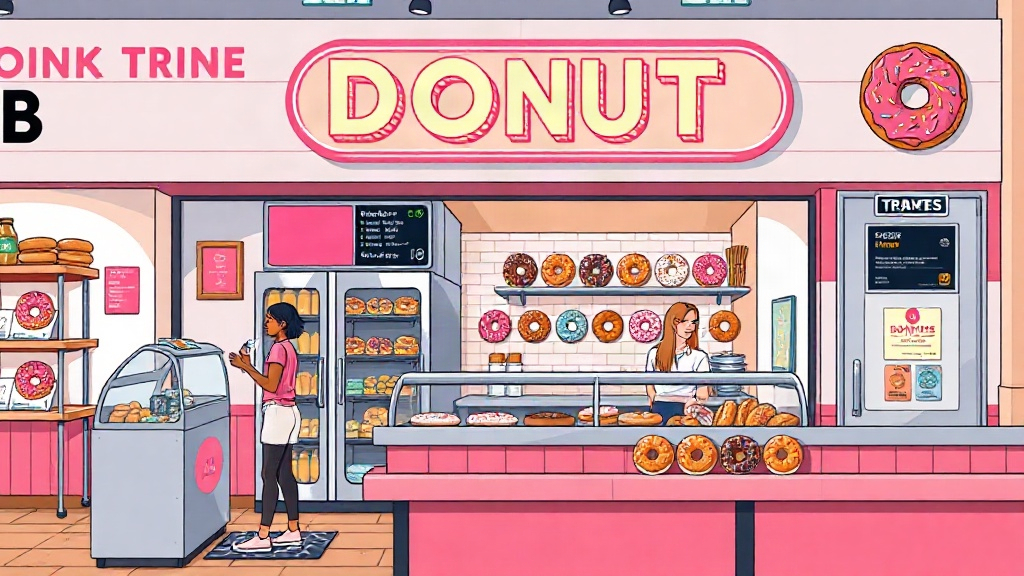
A donut shop can be a durable small business because it solves a simple daily need at a low price. Customers buy on impulse, in the morning, and in groups, which produces repeat visits without heavy selling. A single good donut and a decent cup of coffee can build a loyal routine. That habit is worth more than any advertising.
The category also rewards focus. A shop that makes a small number of excellent donuts can outperform a large menu of average ones. Fewer items mean faster training, less waste, and a clearer identity. One signature flavor can do more for word of mouth than ten forgettable options.
Community ties give the business staying power. Schools, offices, and local events order boxes, and those relationships smooth out slow weeks. If you want your shop to serve the neighborhood rather than just sell to it, //creativebizservices.org/business/harnessing-business-for-community-good-ideas-that-create-impact/ is a useful read on turning business activity into local benefit.
You should also weigh the honest downsides. Work starts before dawn. Health regulations apply. Staff turnover is common. Prime retail locations cost real money. A shop earns its success through consistency, not through a clever concept alone.
A small crew, loyal regulars, and a clear specialty can hold up better than an ambitious operation. That is the practical argument for starting modestly and expanding only after demand proves itself.
Key takeaway: The appeal of a donut shop is repeat, low-ticket demand; the discipline is keeping the menu and the cost base small enough to protect your margins.
Best practices
Test the product before committing to a lease. Make your donuts at home or in a rented commercial kitchen and sell at markets or events for a few weekends. This reveals which flavors sell, how quickly you can produce them, and where your process breaks down.
Write the numbers before the menu. Build a simple spreadsheet with fixed costs (rent, insurance, loan payments), variable costs (ingredients, packaging), and a realistic daily sales estimate. If you plan to sell 300 donuts a day at a set price, work out whether that covers costs with margin left over. Adjust the plan until it does.
Choose a location by traffic, not by rent alone. A cheaper unit on a quiet street can cost more than a busier one because it needs paid marketing to compensate. Study morning foot traffic and nearby businesses that open early.
Build a small, repeatable menu. Two or three raised donuts, a couple of cake donuts, and one seasonal special is enough to start. Consistency matters more than variety, because regulars expect the same taste every visit.
Design the production flow. Place the mixer, proofer, fryer, and finishing area in the order the work happens. Crossed paths slow everything down at 5 a.m., when speed and calm both count.
Set up online ordering from day one. A simple pre-order page for boxes and office orders captures revenue you would otherwise miss. Keep pickup windows tight and confirm stock limits so you never overpromise.
Train to a written standard. Record weights, proof times, oil temperatures, and icing recipes. A written standard lets new staff produce the same donut as you do.
Track waste daily. Note what sold and what went in the bin. Trends appear fast, and you can adjust the next batch instead of repeating the loss.
Key takeaway: Most successful shops win on discipline: tested recipes, written numbers, a tight menu, and daily waste tracking.
Common mistakes to avoid
Signing a lease before testing the concept. Rent is your longest commitment and hardest cost to change. Test the product and the demand first, even if it takes an extra few months.
Buying too much equipment. A large deck oven, a huge case, and a second fryer look professional but drain cash. Buy what the first version of the shop actually needs, then upgrade.
Pricing below the true cost. Some owners copy a competitor’s price without counting rent, labor, packaging, and waste. Price for your own cost base and the value you deliver.
Launching with a crowded menu. Every extra item adds prep time, training, and spoilage risk. A long menu hides weak sellers and slows the line.
Ignoring local regulations. Food-safety permits, inspections, signage rules, and waste handling all have timelines. Missing them can delay opening by weeks.
Advertising a launch date before permits and inspections are confirmed invites disappointed customers on day one. Set a date only after approvals are in hand.
Skipping a food-cost and pricing review. Review ingredient prices every quarter. Flour, shortening, and sugar prices move, and a stale menu price quietly erodes profit.
Neglecting the online side. Ignoring online ordering, reviews, and a simple website leaves you dependent on walk-in traffic alone.
Hiring fast and training slow. A rushed hire without a written standard creates inconsistent donuts and unhappy regulars.
Key takeaway: The most expensive mistakes are the long ones: a bad lease, an overloaded menu, and pricing set without the real numbers.
FAQ
How much does it cost to start a donut shop?
Costs vary widely by model and location. Expect equipment, a lease deposit, permits, an initial ingredient order, and working capital for several months. Wholesale setups cost far less than a full retail build-out. Build a line-item budget before you commit to anything.
Do I need commercial kitchen experience?
It helps but is not strictly required. Food-safety certification and a clear production plan are essential, and hands-on training from a commercial baker shortens the learning curve. Health inspections will test your procedures, not your resume.
How long does it take to open?
From concept to opening usually takes several months. The long poles are the lease, permit approvals, equipment delivery, and inspections. Testing the recipe and building the menu can run in parallel with those steps.
Should I start with wholesale orders or retail?
Wholesale is cheaper to launch and gives predictable volume, but margins are thinner per unit. Retail offers higher margins but depends on location and daily traffic. Many owners start wholesale and add a retail counter later.
How many staff do I need at launch?
Many small shops open with two to four people, including the owner. Staffing depends on your hours, counter traffic, and whether you offer pre-orders. Overstaffing early is costly, so hire to your realistic sales forecast.
Conclusion
To start a donut shop, you need more than a good recipe. You need a focused model, a tested product, honest numbers, and permits in hand before you open. Keep the menu small, choose the location for traffic, and track waste daily. Set up online ordering early so your shop reaches customers beyond the front door. Your next step is simple: write your cost and sales budget on one page, then test your donuts at a local market before signing anything.





Leave a Reply