


You diversify your investment portfolio by spreading money across different asset types, industries, and risk levels. This protects you when one sector like tech takes a hit. It also lets you keep growing your wealth over time, even during market swings.
Tech professionals often make a common mistake. They pour most of their savings into tech stocks, startup equity, or crypto because that’s the world they know. This feels safe on the surface. But it actually raises your risk, because all your assets move together during a downturn.
This guide breaks down practical diversification strategies for people who live and work in technology and digital innovation. You’ll learn how to balance high-growth tech investments with safer assets, use digital tools to manage your portfolio, and avoid the traps that catch smart, data-driven investors.
Why Diversification Matters More for Tech-Savvy Investors
Tech professionals face a unique risk called correlation risk. Your salary, stock options, and personal investments often depend on the same industry. If the tech sector drops, your paycheck, your equity, and your portfolio can all suffer at once.
This is different from a teacher or nurse who invests in an S&P 500 index fund. Their income doesn’t move with the stock market. Yours might.
Industry experts often point out that concentration in a single sector is one of the biggest hidden risks for professionals in fast-moving fields like tech. Diversification breaks that link. It spreads your financial future across industries that don’t rise and fall together.
The Hidden Risk of “Familiarity Bias”
Familiarity bias means you invest in what you know. For tech workers, this usually means big tech stocks, AI startups, or crypto.
This feels comfortable. But comfort isn’t the same as safety. A truly diversified portfolio includes assets outside your comfort zone, like bonds, real estate, or international markets.
Core Asset Classes Every Diversified Portfolio Should Include
A strong portfolio blends several asset types. Each one reacts differently to market events, which reduces your overall risk.
1. Stocks (Domestic and International)
Stocks drive long-term growth. But holding only U.S. tech stocks limits your exposure. Add international stocks and non-tech sectors like healthcare, energy, or consumer goods.
2. Bonds
Bonds provide steady income and act as a cushion during stock market drops. Government bonds tend to be safer, while corporate bonds offer higher yields with more risk.
3. Real Estate
Real estate investment trusts, or REITs, let you invest in property without buying a building. They often move independently of the stock market, which adds balance to your portfolio.
4. Cash and Cash Equivalents
Cash isn’t exciting, but it gives you flexibility. Keeping some money in high-yield savings accounts or money market funds means you’re never forced to sell investments at a bad time.
5. Alternative Assets
Alternative assets include commodities, private equity, and even digital assets like cryptocurrency. These can boost returns, but they carry higher volatility. Keep this slice of your portfolio small.
How to Diversify Within the Tech Sector Itself
You can still invest in tech while managing risk. The key is spreading your bets across different parts of the industry instead of one company or trend.
Diversify Across Tech Subsectors
Tech isn’t one industry it’s many. Consider splitting exposure across:
- Software and SaaS companies, which generate recurring revenue
- Semiconductor and hardware companies, which depend on global supply chains
- Cybersecurity firms, which grow as digital threats increase
- AI and automation companies, which are reshaping multiple industries
- Fintech and digital payment companies, which benefit from the shift away from cash
Each subsector responds differently to economic shifts, interest rates, and regulation.
Avoid Overloading on Employer Stock
If you work in tech, you may receive stock options or restricted stock units. It’s tempting to hold onto them. But this ties your income and your investments to the same company.
A common rule of thumb: keep employer stock under 10% of your total portfolio. Sell shares regularly and reinvest the proceeds elsewhere.
Harnessing Digital Tools for Smart Asset Allocation
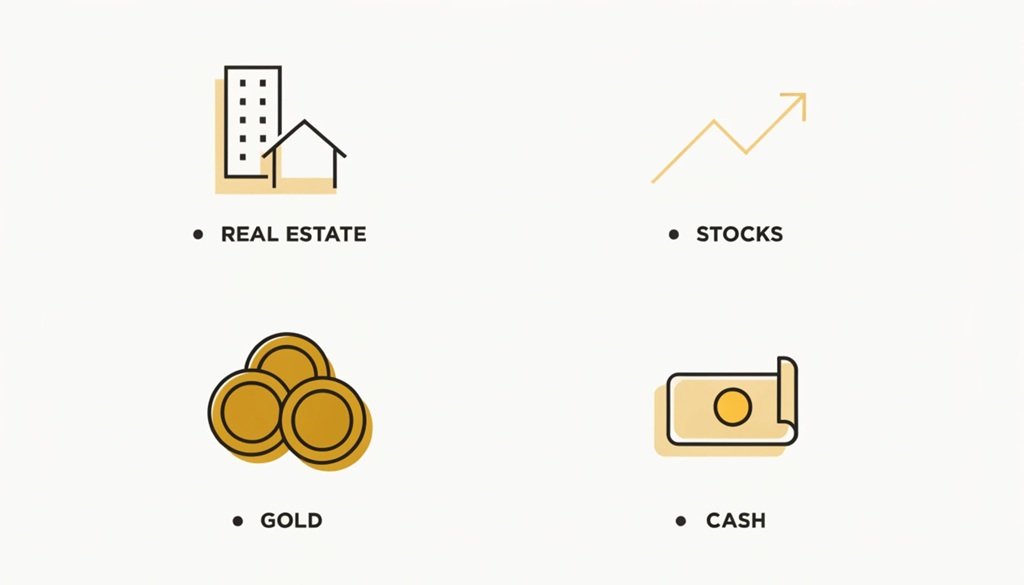
Modern wealth management has been transformed by sophisticated digital platforms, empowering both novice and experienced investors to build and rebalance a diversified portfolio with precision. While leveraging automated algorithms and online analytical software strengthens your personal long-term investment strategy, maintaining overall financial stability also requires managing commercial risk; specifically, business owners must implement effective strategies to manage business cash flow for growth to ensure operational resilience across all market cycles.
Robo-Advisors
Robo-advisors use algorithms to build and rebalance diversified portfolios automatically. They typically ask about your goals and risk tolerance, then allocate your money across stocks, bonds, and other assets.
This removes emotion from investing. It also saves time, which matters for busy professionals in fast-paced tech careers.
Portfolio Tracking Apps
Portfolio tracking apps give you a real-time view of your asset allocation. Many will flag when one sector, like tech, becomes too large a percentage of your holdings.
Set alerts so you know when it’s time to rebalance. This keeps your diversification strategy on track without constant manual checking.
Fractional Investing Platforms
Fractional investing lets you buy a small slice of an expensive stock or ETF. This makes it easier to diversify with a limited budget, since you don’t need thousands of dollars to own a piece of multiple companies.
Balancing Growth and Safety Over Time
Diversification isn’t a one-time task. Your ideal mix of assets shifts as your life and goals change.
Adjust Allocation as You Age
Younger investors can typically handle more risk, since they have time to recover from downturns. As you get closer to retirement, shifting toward bonds and stable assets protects the wealth you’ve already built.
A simple starting formula: subtract your age from 110 to estimate your stock allocation percentage. Adjust based on your personal risk tolerance.
Rebalance on a Schedule
Markets move, and your portfolio drifts from its original allocation over time. Rebalancing means selling a bit of what’s grown and buying more of what’s lagged, restoring your target mix.
Most experts recommend rebalancing once or twice a year. Doing it more often can rack up unnecessary fees and taxes.
Don’t Chase Trends
New technology creates exciting investment stories, from AI to blockchain to quantum computing. It’s fine to invest in emerging trends, but keep this speculative slice small.
Industry experts generally suggest limiting speculative or trend-based investments to a small percentage of your total portfolio, so a single bad bet won’t derail your long-term plan.
Common Diversification Mistakes to Avoid
Even experienced investors slip up. Here are the mistakes that most often undo a diversification strategy.
- Owning many funds that hold the same stocks. Multiple ETFs can overlap heavily in top holdings, so you’re less diversified than you think.
- Ignoring geographic diversification. Sticking only to U.S. markets skips growth opportunities elsewhere.
- Treating diversification as a “set it and forget it” task. Without regular check-ins, your allocation drifts.
- Confusing diversification with owning many stocks in one sector. Ten tech stocks aren’t diversified if they all move together.
- Letting fear or hype drive decisions. Panic selling during a dip, or chasing a hot trend, both undermine long-term strategy.
Frequently Asked Questions
How many stocks do I need to be properly diversified?
There’s no exact number, but most financial experts suggest 20-30 stocks across different sectors as a reasonable baseline. The bigger factor is variety across industries, company sizes, and geographies, not just the total count.
Is investing only in index funds enough diversification?
A single broad index fund, like a total stock market fund, offers solid diversification within stocks. But it still leaves you exposed to overall stock market swings, so adding bonds or other asset classes creates a more complete strategy.
Should tech professionals avoid investing in tech stocks entirely?
No, avoiding your own industry isn’t necessary or realistic. The goal is balance limit tech exposure to a reasonable percentage of your total portfolio instead of concentrating most of your wealth there.
How often should I rebalance my portfolio?
Most experts recommend reviewing your portfolio once or twice a year, or whenever your allocation drifts significantly from your target. Rebalancing too frequently can increase trading costs and tax bills.
Are cryptocurrencies a good way to diversify?
Cryptocurrencies can add diversification since they sometimes move independently of stocks and bonds. However, their high volatility means most financial experts suggest keeping crypto exposure small, often under 5-10% of a total portfolio.
Conclusion
Diversifying your investment portfolio means spreading your money across different assets, sectors, and geographies so no single event can wipe out your wealth. For people in technology and digital innovation, this means actively balancing tech exposure with bonds, real estate, international stocks, and cash.
Use the digital tools available to you, from robo-advisors to tracking apps, to make this process easier. Revisit your allocation regularly, resist chasing every new trend, and keep your strategy aligned with your goals as they evolve.
Long-term safety doesn’t come from avoiding risk altogether. It comes from spreading that risk wisely, so your financial future doesn’t depend on any single bet.





Leave a Reply