

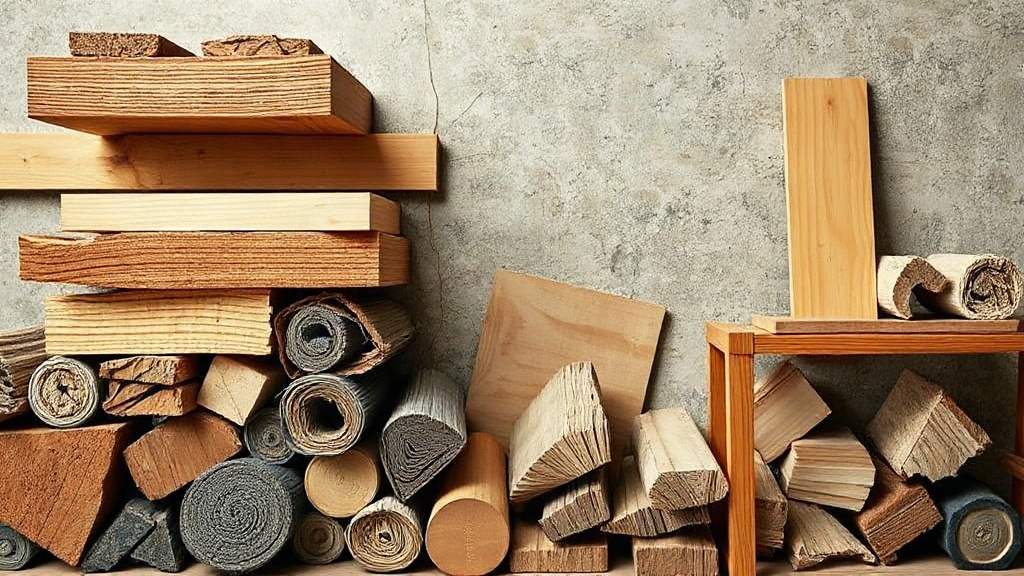
Recycled building materials turn waste from demolition sites, factories, and households into usable stock for your renovation. You may already be weighing salvaged timber against new lumber, or wondering whether crushed concrete is safe under a patio. The choices matter because they affect cost, durability, and how much waste your project sends to landfill. This guide explains what each material is, where it works best, and the mistakes that spoil good intentions. Contractors who document their supply chain, such as //roofmasterconstruction.com/, show how sourcing choices shape a greener result.
Quick answer: Choose recycled materials that match the job’s structural and moisture demands: reclaimed timber and brick for visible character, crushed concrete and recycled aggregate for sub-bases, and recycled insulation or gypsum for interiors. Verify quality and certification before you buy, plan for slight dimensional variation, and confirm local code acceptance so the savings hold up.
What is recycled building materials?
Recycled building materials are products made from waste that has been recovered, processed, and resold for construction use. The waste can come from demolished buildings, manufacturing offcuts, or household collections. Processing varies from simple cleaning and sorting to crushing, melting, or re-forming.
The category covers three broad groups:
- Reclaimed materials are salvaged items used again in close to their original form, such as old bricks, timber beams, doors, and roof tiles.
- Recycled-content products are new products made partly or wholly from recovered waste, such as insulation from recycled glass or paper, and gypsum board from recovered plasterboard.
- Reprocessed bulk materials are crushed or ground wastes used as aggregates, including crushed concrete, asphalt, and recycled glass sand.
Each group behaves differently. Reclaimed brick may carry old mortar and slight size variation. Recycled aggregate may have different absorption than quarried stone. Recycled-content insulation usually matches new-product performance because it is manufactured to a standard.
Recycled materials differ from reused ones in a practical sense. Reuse keeps an item intact; recycling breaks it down and rebuilds it. Both reduce demand for virgin resources, but reuse usually saves more energy because it skips reprocessing.
A simple example shows the range. Old clay bricks can be cleaned and laid again in a garden wall. Crushed brick that is too damaged for reuse becomes drainage aggregate. The same demolition waste serves two purposes, and almost nothing is discarded.
A recycled material is only as reliable as the sorting and testing behind it. Ask suppliers how material is graded before you compare prices.
Takeaway: Know which of the three groups you are buying, because reclaimed, recycled-content, and reprocessed materials have different handling needs.
Why recycled building materials matters

Every renovation creates waste. Demolition, offcuts, and packaging add up quickly, and most of that material has a second useful life. Choosing recycled stock keeps usable resources in circulation and reduces the volume sent to landfill.
The environmental case rests on several concrete gains. Producing recycled aggregate typically uses less energy than quarrying and crushing new stone. Reusing structural timber avoids felling new trees and skips the transport and milling chain. Recycled-content insulation diverts glass and paper from disposal while delivering the same thermal performance as conventional products.
There is a financial angle too. Salvaged brick, timber, and fixtures often cost less than new equivalents, though prices vary by region and condition. Bulk recycled aggregate can undercut quarried stone where local suppliers exist. Savings shrink when you must travel far to collect material, so distance belongs in your budget.
Design quality can improve as well. Reclaimed timber brings grain and age that new lumber cannot copy. Old brick carries texture and color variation that suits restoration work. Homeowners restoring period properties often find salvaged material matches the original fabric better than modern replacements.
The benefits come with trade-offs worth naming. Supply is unpredictable, so a material available this month may be gone the next. Some recycled products carry a premium because processing costs are high. Certification and testing add cost, yet they protect you from performance problems later.
Local building codes also shape what you can use. Structural applications usually require certified material with documented strength. Aesthetics and landscaping face fewer restrictions. Checking rules early prevents a bargain purchase from becoming an unusable pile in your yard.
Roofing deserves particular attention because it is exposed to weather year-round. Homeowners comparing finishes can review sustainable roofing options to see how recycled and renewable products perform under rain, wind, and sun.
A recycled material that travels hundreds of miles may lose much of its environmental edge. Weight local sourcing alongside recycled content.
Takeaway: Weigh energy savings, cost, and design value together, then confirm code acceptance before committing.
Best practices
Start with a materials plan before demolition begins. List what your existing structure contains and decide what can be salvaged on site. An experienced contractor can identify reusable beams, bricks, and fixtures during a pre-work survey. On-site reuse avoids purchase and transport costs entirely.
Match each material to a suitable application. The table below compares common options.
Comparison: recycled materials by application
| Material | Best use | Watch for |
|---|---|---|
| Reclaimed timber | Beams, flooring, trim | Pest damage, uneven sizing |
| Salvaged brick | Walls, paths, cladding | Old mortar, color variation |
| Crushed concrete | Sub-base, driveways | Dust, variable strength |
| Recycled insulation | Walls, lofts | Correct thickness for target rating |
| Recycled gypsum board | Interior partitions | Moisture damage in storage |
Notice that structural uses demand the most scrutiny. Decorative and landscaping uses tolerate more variation.
Verify provenance and testing for anything load-bearing. Ask for grading reports on recycled aggregate and strength documentation on reclaimed structural timber. A reputable supplier will answer these questions without hesitation.
Buy slightly more than your measured quantity. Reclaimed brick and timber often include damaged pieces, and matching a batch later is difficult. A margin of roughly ten percent covers breakage and cutting waste.
Store materials correctly on site. Keep recycled gypsum board dry, stack timber off the ground, and cover aggregate to limit dust. Poor storage ruins good material faster than any installation error.
Plan the sequence so salvaged items arrive when needed. Reclaimed brick that sits outside for months may absorb moisture and need drying before laying. Timber benefits from acclimatizing indoors before it is fixed.
Finally, document what you use and where it came from. Records help with code inspection and support any future resale or warranty claim.
Order a small batch of reclaimed brick or timber before the full load. Check color, size, and condition in daylight.
Takeaway: Plan reuse on site, match material to use, and verify documentation before purchase.
Common mistakes to avoid
The most frequent error is buying on price alone. A cheap load of reclaimed timber with hidden rot costs more once you factor in replacements and delays. Inspect condition directly or rely on a supplier with a clear grading system.
Another mistake is skipping the code check. Structural recycled materials usually need certification, and some local authorities restrict certain reprocessed aggregates near foundations. Confirm acceptance before you order, not after delivery.
Underestimating quantity trips up many renovations. Reclaimed batches sell out, and a second order may not match the first in size or color. Measure carefully and add a sensible margin.
Ignoring moisture behavior causes avoidable failures. Recycled brick and timber can arrive damp, and sealing them too soon traps water. Let materials dry to a stable condition before installation.
Mixing incompatible materials creates problems too. Old mortar on salvaged brick may not bond with modern mixes, so choose mortar suited to the original brick type. Recycled aggregate with high absorption changes concrete mix ratios and needs adjustment.
Failing to plan storage leads to damage on site. Boards left in rain or aggregate exposed to wind lose value quickly. Set aside a dry, covered area before materials arrive.
Some homeowners also overlook transport and labor. Reclaimed brick often needs cleaning, and that work adds hours. Budget for preparation time so the schedule stays realistic.
Never use untested recycled material for load-bearing elements. Certified strength data protects both safety and insurance coverage.
Takeaway: Avoid the cheapest untested load, confirm code rules, and budget time for cleaning and drying.
FAQ
Are recycled building materials more expensive than new ones?
Sometimes yes, sometimes no. Salvaged brick and timber often cost less, while certified recycled products may carry a premium. Compare total cost, including transport and preparation labor, before deciding.
Can I use recycled materials for structural work?
Yes, if the material is certified and approved for that purpose. Reclaimed structural timber and graded recycled aggregate can meet code when documentation supports their strength. Untested material belongs in non-structural uses only.
How do I check the quality of salvaged brick or timber?
Inspect for cracks, rot, pest damage, and old mortar. Ask the supplier how the material was graded and request a sample batch. Test a few pieces before committing to a full order.
Do recycled materials change the project timeline?
They can. Salvaged stock may need cleaning, drying, or resizing, and supply is less predictable than new products. Order early and store materials properly to keep delays small.
Are recycled materials suitable for roofing?
Some are, including reclaimed slate and tiles in good condition, provided they pass inspection. Exposure to weather makes certification and careful installation important, so confirm suitability with your contractor first.
Conclusion
Recycled building materials offer real gains in waste reduction, cost, and character when you choose them with care. Match each material to its job, verify grading and code acceptance, and plan storage and preparation time. Salvaged brick and timber suit visible, non-critical work, while crushed concrete and recycled insulation handle bulk and thermal needs. Start by surveying what your existing structure can yield, then build a short materials list before you order anything. That single step keeps your renovation greener and your budget under control.





Leave a Reply