


Scaling fast means growing revenue and reach without your costs and workload growing at the same rate. It is not the same as just getting more customers. Many business owners chase more sales first, then panic when their team, tools, and cash flow can’t keep up.
True scaling means your systems can handle 10 times the demand without needing 10 times the staff or budget. That is the real goal behind every tip in this guide.
Before you push for faster growth, you need three things in place: a repeatable process, the right technology, and a clear view of your numbers. Skip any of these, and fast growth can break your business instead of building it.
Build Systems Before You Chase Growth
You cannot scale chaos. If your current process only works because you personally check every order or answer every question, that process will collapse under new demand.
Start by writing down your core workflows: how a lead becomes a customer, how an order gets fulfilled, how a support ticket gets solved. Turn each one into a simple checklist or standard operating procedure. This lets other people, or even software, handle the work the same way you do.
Audit Your Capacity Ceiling First
This is a step most guides skip, and it matters more than almost anything else. Before you spend a dollar on growth, calculate the maximum number of customers or orders your current setup can handle without breaking.
Look at your busiest week this year. Ask what actually strained: was it staff hours, server capacity, supplier stock, or your own time? That answer tells you exactly where to invest first. Scaling marketing before you fix your real bottleneck just creates faster failure, not faster growth.
Use Technology to Multiply Your Output
Technology lets a small team do the work of a much bigger one. This is the fastest lever available to most small businesses today, and it does not require a large budget.
Automate the Repetitive Work
Start with tasks that eat time but need little judgment: invoicing, appointment reminders, email follow-ups, and basic customer support replies. Tools like Zapier, HubSpot, or built-in CRM automations can handle these without extra hires.
Use AI Tools for Small Teams
AI-powered tools can now draft marketing copy, summarize customer feedback, and answer common support questions in seconds. According to industry experts, small businesses that adopt AI tools for routine tasks free up significant staff time for higher-value work like sales and product development.
Pick one or two tools that solve your biggest time drain first. Adding five new platforms at once usually creates more confusion than growth.
Fund Your Growth the Right Way
Fast growth needs cash for inventory, staff, or marketing, often before the extra revenue arrives. Choosing the wrong funding path can slow you down or put your business at risk.
Bootstrapping vs. Outside Funding
Bootstrapping, or growing from your own profits, keeps full control in your hands. It works well when your growth is steady and your margins are healthy enough to reinvest.
Outside funding, such as a small business loan, a line of credit, or investors, makes sense when you have a proven model and just need capital to move faster. Match the funding type to your actual growth speed. Taking on debt for slow, uncertain growth adds risk without the payoff.
Watch Your Cash Flow Weekly
Growing businesses often run into trouble not from a lack of sales, but from a lack of cash on hand at the right moment. Check your cash flow weekly, not monthly, once you start scaling. This catches problems while you can still fix them.
Hire and Delegate to Remove Yourself as the Bottleneck
If every decision runs through you, your business can only grow as fast as your personal capacity allows. This is one of the most common limits on small business growth. Before expanding operations rapidly, ensure your foundational roadmap is secure by using our step-by-step write a winning business plan (2026 Guide) to structure your financial projections and market entry strategy.
Hire for Gaps, Not Just Growth
Look at where you personally spend time on tasks someone else could do. Hire to fill those gaps first, before hiring for pure expansion. A single skilled operations hire often creates more growth capacity than three new salespeople.
Delegate Decisions, Not Just Tasks
Handing off tasks without handing off decision-making still leaves you as the bottleneck. Give your team clear guidelines and the authority to make calls within them. This lets your business keep moving even when you step away.
Market Smarter, Not Just Harder
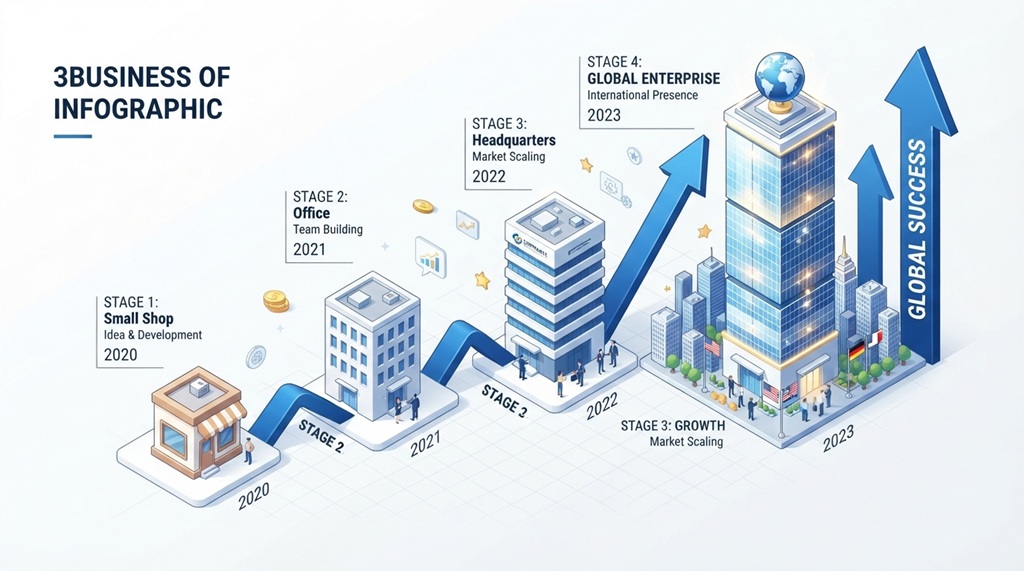
More marketing spend does not automatically mean faster growth. Small businesses that scale fast usually focus their budget on one or two channels that already work, rather than spreading thin across everything.
Look at your last six months of data. Find the channel that brought in the most paying customers at the lowest cost, and put more resources there before testing something new. Referral and retention programs also deserve attention here. Keeping an existing customer costs far less than acquiring a new one, and happy customers often bring in others for free.
Track the Right Metrics So You Scale in the Right Direction
Fast growth without the right metrics can hide serious problems until it’s too late. Revenue alone does not tell you if your business is scaling in a healthy way.
Watch these numbers closely as you grow:
- Customer acquisition cost (CAC): what it costs to win one new customer
- Customer lifetime value (LTV): what that customer is worth over time
- Profit margin: whether growth is actually adding profit, not just revenue
- Employee or system capacity: whether your team and tools can handle current demand
If your CAC rises faster than your LTV, you’re buying growth you can’t afford. Catching this early lets you adjust before it damages your cash flow.
Frequently Asked Questions
How fast can a small business realistically scale?
This depends heavily on your industry, funding, and current systems. Service-based businesses with strong processes can often double revenue within a year, while product-based businesses may need more time to build supply chain capacity. Focus on sustainable growth speed rather than an arbitrary timeline.
What is the biggest mistake businesses make when scaling fast?
The most common mistake is scaling marketing and sales before fixing operational capacity. This leads to missed deadlines, unhappy customers, and burned-out staff, which can damage your reputation faster than slow growth would have.
Do I need outside investment to scale quickly?
Not always. Many small businesses scale successfully through reinvested profits and smart automation. Outside investment helps most when you already have a proven, repeatable model and simply need capital to move faster.
Which technology should I invest in first?
Start with whatever removes your biggest time drain, often customer relationship management (CRM) software or basic marketing automation. According to industry experts, tools that reduce repetitive manual work typically deliver the fastest return for small teams.
How do I know if I’m scaling too fast?
Watch for warning signs like slipping quality, rising customer complaints, or cash flow getting tight despite higher sales. If your team is constantly firefighting instead of following your standard processes, your growth speed has outpaced your systems.
Final Thoughts
Scaling a small business fast is possible, but only when growth is built on solid systems, the right technology, and healthy cash flow. Chasing more sales without preparing your operations first tends to backfire.
Start by finding your real capacity ceiling, automate what you can, fund growth responsibly, and track the metrics that show whether your growth is actually healthy. Small, deliberate steps in the right order almost always beat a rushed sprint toward more customers.





Leave a Reply