

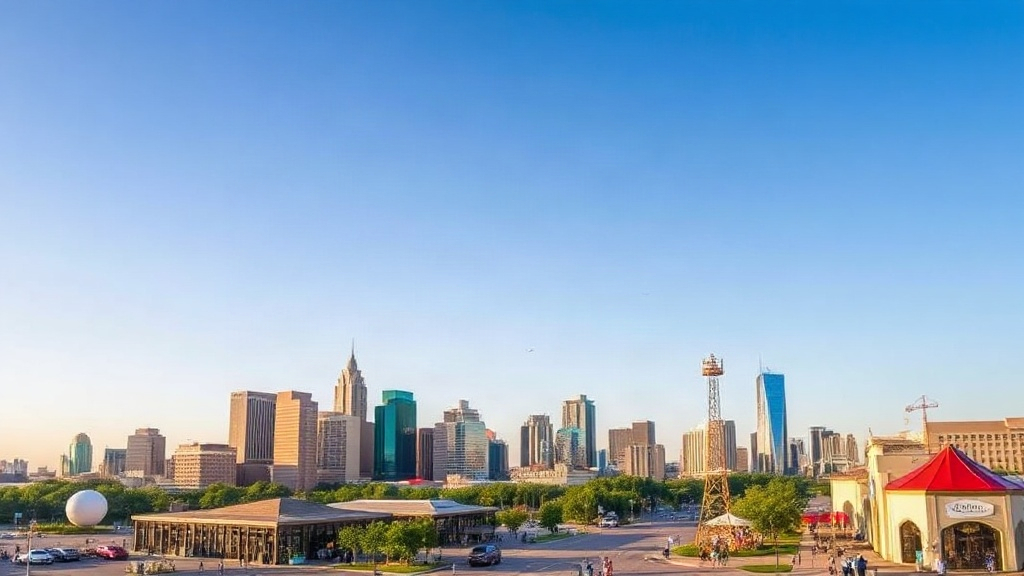
Finding top midwest summer events worth traveling is easier than many people expect, because the region delivers on both scale and variety. Curious travelers can compare everything from a twelve-day state fair to a lakeside boat race and a rodeo in the Dakotas. Use BeReviewers.com to see how different events and destinations stack up before you commit. This guide explains what these events are, why they draw visitors from across the country, and how to plan a trip that feels worth the drive.
Quick answer: Pick one anchor event per trip, then build two or three days of local stops around it. Book lodging early, especially for state fairs and air shows, and check the official schedule before you commit. The best trips pair a big summer event with nearby food, parks, or small-town stops so the journey earns its cost.
What is top midwest summer events worth traveling?
The phrase describes a short list of Midwest festivals, fairs, and competitions that justify a road trip rather than a casual afternoon out. These events share three traits: scale, a strong local identity, and a reason to stay overnight. A county fair down the road rarely qualifies. A state fair that fills a 400-acre grounds for nearly two weeks usually does.
The Midwest covers twelve states, so the range is wide. Here are the kinds of events that regularly earn a spot on traveler shortlists:
- State fairs: The Minnesota State Fair in Falcon Heights and the Iowa State Fair in Des Moines are the largest and best known. Both run for about ten to twelve days in late August.
- Air shows: The Experimental Aircraft Association’s AirVenture in Oshkosh, Wisconsin, draws aviation fans from around the world each July.
- Water and boat events: Hydroplane races and harbor festivals along the Great Lakes and major rivers fill summer weekends.
- Music and culture festivals: Summerfest in Milwaukee bills itself as one of the largest music festivals in the country, and it runs across multiple weeks.
- Rodeos and heritage events: The Days of ’76 in Deadwood, South Dakota, and similar celebrations keep western history alive.
What separates a travel-worthy event from a local one comes down to a few practical signals. It lasts more than a weekend, it draws visitors from outside the region, and it has enough side attractions nearby to fill a full itinerary. A giant butter sculpture or a nightly grandstand concert gives people a reason to plan around it.
Timing matters too. Most Midwest summer events cluster between June and Labor Day, and the biggest ones sit in late July and August. That overlap means two strong events sometimes fall on the same weekend, so travelers have to choose.
[!INSIGHT] Scale is not the only measure. A smaller event with a strong local identity, such as a river-town festival or a heritage rodeo, can feel more memorable than a crowded mega-fair if it matches your interests.
Takeaway: Match the event to your interests first, then confirm that it lasts long enough and has enough nearby to justify the trip.
Why top midwest summer events worth traveling matters
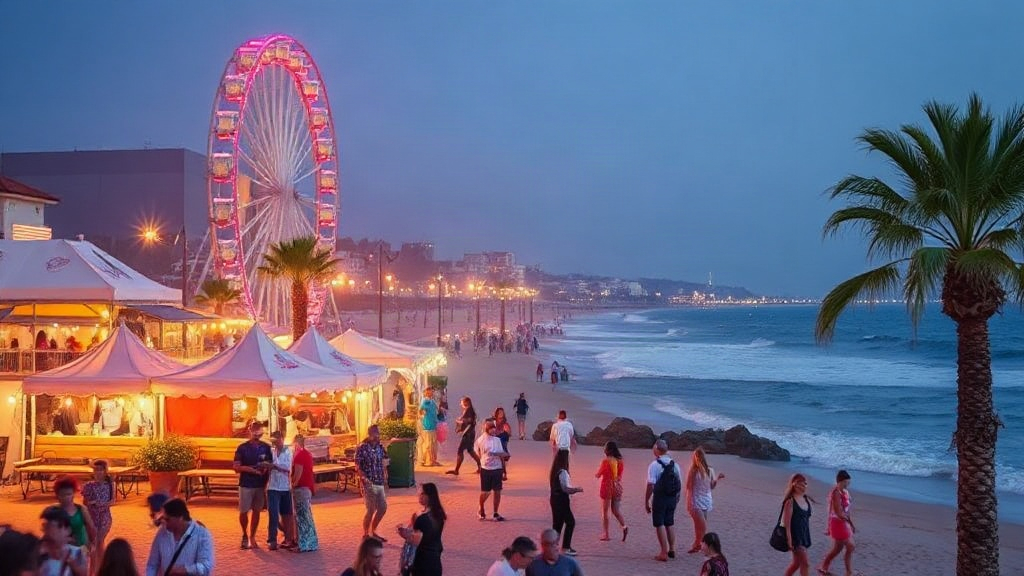
Travelers today want trips that feel specific. A generic weekend in a chain hotel is easy to forget, while a state fair with a livestock show, a butter sculpture, and a grandstand concert becomes a story you tell for years. That is the core value of planning around an event.
The economics matter as much as the experience. Midwest destinations tend to cost less than coastal cities for lodging, food, and parking. A family can often spend two or three days at a major fair for less than a single day at a big-name theme park. Events also concentrate activity into a small area, so you spend less time and fuel moving between stops.
There is a practical planning benefit as well. An event gives your trip a fixed anchor. Once you know the dates, you can book a hotel, map the drive, and add nearby stops without guessing. That structure reduces decision fatigue and helps groups agree on a plan. Families, couples, and friend groups all benefit from a clear centerpiece.
Events also carry a cultural payoff. Midwest fairs and festivals grew out of agricultural traditions, immigrant communities, and local pride. Walking through a livestock barn or watching a tractor pull teaches visitors something about how the region sees itself. That kind of experience is hard to replicate online or in a museum.
The region’s summer calendar spreads events across many states, which spreads the crowds too. A traveler who avoids the single busiest weekend can often find a comparable experience with lighter traffic. Comparing several options before booking is the simplest way to protect your budget and your patience.
[!INSIGHT] Treat the event as the anchor and the region as the reward. The strongest trips pair a headline event with two nearby stops, such as a state park, a historic downtown, or a famous local restaurant.
Takeaway: These events turn a vague summer weekend into a planned trip with clear costs, fixed dates, and a memorable centerpiece.
Best practices
Good planning separates a smooth event trip from a stressful one. Start with dates and work outward. Event calendars post months in advance, and the biggest fairs and air shows publish daily schedules. Pick your travel days around the schedule rather than the other way around.
Book lodging early. Hotels near major fairs and air shows sell out months ahead, and rates climb as the date nears. Look at towns twenty to thirty minutes away, where rooms are often cheaper and still convenient.
Build a realistic daily plan. Large fairs can cover hundreds of acres, so pick two or three must-see attractions per day and leave room to wander. Wear comfortable shoes, carry water, and plan a midday break during the hottest hours. Midday heat in late July and August is worth respecting, especially with children or older travelers.
Budget beyond the ticket. Parking, food, rides, and concerts often cost more than admission. Set a daily spending cap per person and keep a little reserve for surprises. Many fairs offer discount admission days, so check the schedule before you commit to a date.
Choose your entry and exit points. Arrive near opening time to beat the gates, and leave before the evening crowd peaks unless you plan to stay for a concert. Have a meeting spot if your group splits up, since cell service can slow down in dense crowds.
For one major example, travelers planning a Des Moines trip can use the Iowa State Fair 2026 guide to compare dates, highlights, and logistics before booking.
[!TIP] Build a buffer day. Weather, traffic, and sold-out parking can shift your schedule, and a free morning or afternoon lets you adjust without losing the whole trip.
Takeaway: Lock in dates and lodging early, plan lighter days around the heat, and leave room in both your schedule and your budget.
Common mistakes to avoid
Most disappointing trips come from a handful of avoidable errors. The first is booking late. Waiting until a few weeks before a major fair often means distant hotels, higher rates, or no rooms at all near the grounds.
The second is overpacking the itinerary. Trying to see every attraction in one day leads to exhausted children, missed shows, and long lines. Pick the highlights and accept that you will not see everything.
A third mistake is ignoring the weather. Midwest summers bring heat, humidity, and sudden thunderstorms. Travelers who skip sunscreen, rain layers, and hydration pay for it. Check the forecast daily and keep a flexible backup plan.
Fourth, many visitors underestimate walking distance and parking. Fairgrounds and air show venues can be huge, and the walk from a remote lot adds up. Buy parking in advance where possible, or use shuttles and public transit.
Fifth, travelers often overlook crowd patterns. Weekends and the final days of a fair are the busiest. Arriving on a weekday morning usually means shorter lines and easier parking.
Finally, some visitors treat the event as the whole trip. The towns around these events often have strong local food, museums, and parks. Skipping them leaves value on the table and makes the drive feel less worthwhile.
[!WARNING] Do not rely on day-of ticket purchases for popular concerts, air shows, or special fair days. Check official sources for capacity limits and advance-sale requirements.
Takeaway: Avoid late bookings, overloaded schedules, and weather neglect; the best trips leave slack and use weekdays when possible.
FAQ
When should I book lodging for a major Midwest summer event?
Book as soon as dates are published, ideally three to six months ahead for the largest fairs and air shows. Nearby rooms sell out first, so widen your search radius if needed.
Are these events good for families with young children?
Yes, with planning. Choose weekday visits, pack strollers and water, and plan a midday rest. Many fairs offer family-friendly zones with shorter lines and shaded seating.
How much should I budget for a two-day event trip?
Costs vary widely, but plan for admission, parking, food, and lodging per night. Discount days and off-site hotels can meaningfully lower the total, so compare before you book.
Is it worth driving more than five hours for a state fair?
It can be, if you pair the fair with nearby stops and stay at least two nights. A long drive for a single afternoon rarely pays off, but a full weekend usually does.
Conclusion
The top midwest summer events worth traveling reward planning more than luck. Start with an event that matches your interests, confirm the dates, and book lodging early. Budget for parking and food, plan lighter days around the heat, and leave room for nearby towns that make the drive feel worthwhile. Pick one anchor event for next summer, check its official schedule this week, and lock in a hotel before rates climb. That single step turns a vague summer idea into a trip you will actually take.





Leave a Reply