

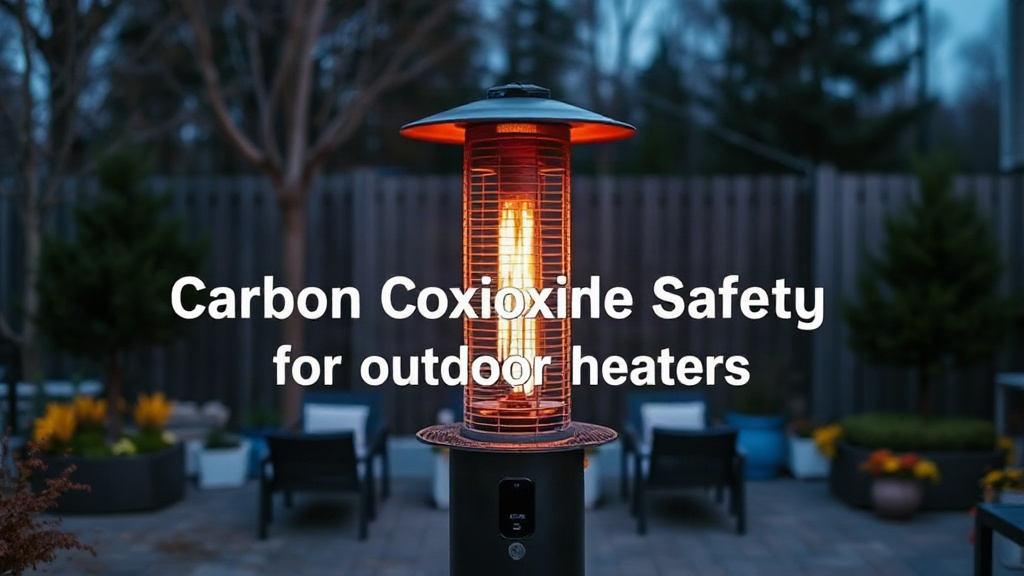
A patio heater can turn a chilly evening into a comfortable one, but carbon monoxide safety for outdoor heating deserves the same attention you give your furnace. Many people assume “outdoor” means “risk-free,” yet fuel-burning heaters still produce carbon monoxide wherever they run. Whether you heat a restaurant patio or a garage workspace, the risks follow the equipment. Understanding how these heaters work, where the gas goes, and what conditions turn a pleasant setup into a hazard helps you enjoy the warmth without the worry. Checking gear and comparing notes on sites like BestUSATools.com makes that easier before the season starts.
Quick answer: Run fuel-burning heaters only in open, well-ventilated areas, never in enclosed or partly enclosed spaces. Install a carbon monoxide alarm nearby, keep heaters away from walls and overhangs, and shut off any unit that produces a headache, dizziness, or a smoky smell. Ventilation and detection are what keep outdoor heating safe.
What is carbon monoxide safety for outdoor heating?
Carbon monoxide is an odorless, colorless gas produced when fuels like propane, natural gas, kerosene, or wood burn incompletely. You cannot see it, taste it, or smell it. A heater that looks perfectly normal can still release it. Carbon monoxide safety for outdoor heating means controlling three things: how completely the fuel burns, where the exhaust goes, and whether anyone would know if something went wrong.
Outdoor heaters fall into two broad groups, and the distinction drives most safety decisions.
- Vented units route exhaust away through a flue or chimney. They are common in fixed commercial installations but rare in portable patio gear.
- Unvented units release exhaust directly into the surrounding air. Patio mushroom heaters, portable propane cabinets, and many workshop torpedo heaters work this way.
Unvented heaters are not automatically dangerous. They are designed to be used where fresh air constantly replaces the exhaust. The hazard appears when that air exchange stops. A patio heater under a sealed tent, inside a closed garage, or in a room with a single cracked window may look outdoor-adjacent but behave like an indoor space.
The margin for error is narrow. Carbon monoxide binds to red blood cells far more readily than oxygen does, so even moderate concentrations over time reduce the oxygen your body can carry. Early symptoms mimic a cold or fatigue: headache, nausea, dizziness, shortness of breath. Because the gas is invisible and the symptoms are vague, people often stay put when they should step outside.
Takeaway: safety here is about ventilation and detection, not about whether the heater is technically outdoors. Treat any space with limited airflow as an indoor space.
Why carbon monoxide safety for outdoor heating matters
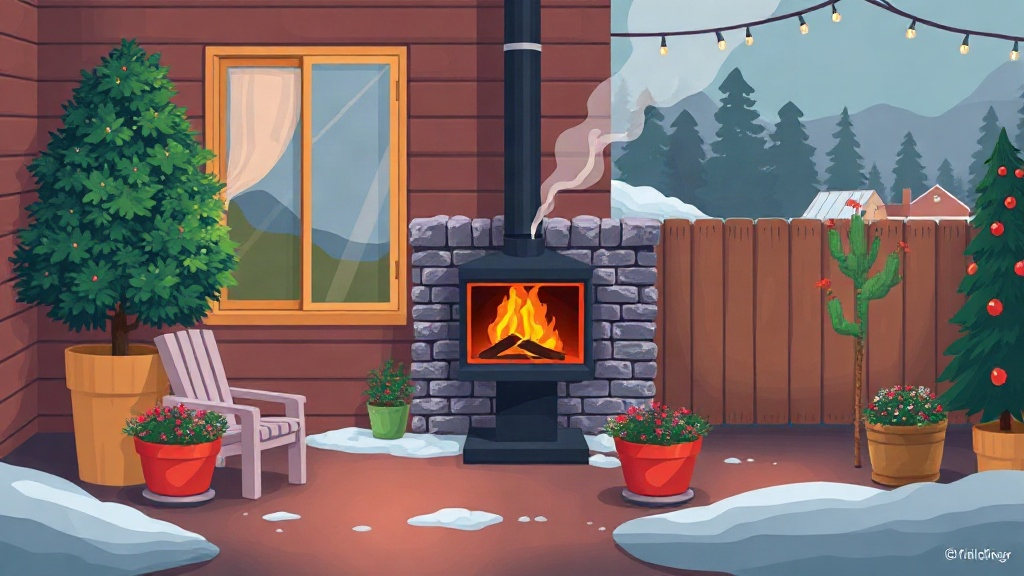
Outdoor heaters get used in conditions that invite mistakes: cold evenings, gatherings, and a strong desire to stay warm. People close doors, drop side panels, and pull heaters closer. Each choice feels reasonable. Together they can trap exhaust in a pocket of still air.
Several factors make this risk worth real attention:
- Symptoms are easy to dismiss. Early carbon monoxide exposure feels like tiredness or a mild headache. Guests may blame the wine; workers may blame a long day.
- Portable fuel heaters often lack oxygen sensors. Many inexpensive units shut off only if the flame dies, not if the air quality drops.
- Workshops are enclosed by default. A garage or shed with the overhead door partly open does not guarantee the airflow an unvented heater needs.
- Cold air is denser. People tend to seal spaces tight in cold weather, which is exactly when heaters run.
Never use a propane patio heater, charcoal grill, or kerosene heater inside a tent, camper, or closed garage. Outdoor-rated equipment does not become indoor-safe because it is portable.
Consider a concrete scenario. A homeowner runs a propane cabinet heater in a two-car garage with the main door open about a foot. The heater warms the space, so the person closes the door further to hold heat in. Exhaust builds. No alarm is installed. That sequence is common, and it is exactly what a carbon monoxide alarm plus a hard rule about ventilation would prevent.
Takeaway: the risk grows with enclosure and complacency. The heater does not need to be faulty to cause harm.
Best practices
A handful of habits cover most of the risk. Build these into how you set up and run any fuel-burning heater.
Ventilate deliberately. For unvented patio heaters, use them on open patios with cross-airflow. In workshops, keep at least one large door or window fully open, not cracked. If you cannot feel air moving, the space is not ventilated enough.
Install a carbon monoxide alarm rated for the space. Choose a battery or plug-in alarm with a digital display and place it at breathing height near where people sit or work, not directly above the heater. Test it monthly and replace batteries on schedule.
Respect clearance distances. Keep heaters at least the manufacturer’s stated distance from walls, furniture, and overhangs. Radiant heat warps materials and can ignite nearby fabric; blocked airflow also worsens combustion.
Match the heater to the space. Open patios suit radiant mushroom heaters. Enclosed or partly enclosed spaces need either a vented heater or no fuel-burning heater at all. An electric patio heater produces no carbon monoxide and is the simplest choice for tight areas.
Inspect before each season. Check hoses, regulators, and connections for cracks or leaks. Look for soot, a yellow instead of blue flame, or a smoky smell; these signal incomplete combustion. If a heater keeps cutting out or struggles to stay lit, the Mr Heater not staying lit guide covers common causes and when to stop using the unit.
Plan your response. If anyone feels a headache, dizziness, or nausea, turn off the heater, move everyone to fresh air, and call for help if symptoms are severe.
Takeaway: ventilation, detection, clearance, and inspection do the heavy lifting. Electric heat removes the concern entirely where airflow is limited.
Common mistakes to avoid
Most carbon monoxide incidents trace back to a few recurring errors. Watch for these.
- Assuming outdoors means safe. A screened porch, a covered deck with windbreaks, or a garage with the door ajar is not open air. Wind protection is comfort; it is not ventilation.
- Trying to heat an indoor space with an outdoor unit. Patio heaters are not designed for indoor use, and no amount of “it’ll be fine for an hour” changes that.
- Skipping the alarm because the heater is outside. If people are nearby and the space could trap air, install an alarm. It is inexpensive insurance.
- Ignoring early warning signs. Headaches, drowsiness, and a stuffy feeling are signals to shut down and ventilate, not to tough it out.
- Running heaters in a sealed tent or canopy. Camping tents and event canopies trap exhaust. Use battery or electric heat in these settings.
- Ignoring the flame color and smells. A healthy propane flame is mostly blue. A yellow, lazy flame or soot buildup means the heater is not burning cleanly. Stop using it and have it serviced.
- Blocking airflow around the unit. Piling blankets, signs, or furniture near the intake and exhaust changes how the heater burns.
A carbon monoxide alarm near a patio heater costs far less than the damage a single exposure can cause. Treat it as part of the heater, not an optional add-on.
Takeaway: the dangerous mistakes are behavioral, not mechanical. Sealing a space, skipping detection, and ignoring symptoms cause more harm than faulty equipment.
FAQ
Can I use a propane patio heater on a covered porch?
Only if the porch is genuinely open on enough sides to keep air moving freely. A covered porch with windbreaks, drop-down screens, or closed sides behaves like an enclosed room and can trap exhaust. When in doubt, use an electric heater or move the unit to open air.
Do outdoor heaters really need a carbon monoxide alarm?
Unvented fuel heaters produce carbon monoxide, so yes. Place a rated alarm near the seating or work area, test it regularly, and keep it away from direct heat. The alarm gives you the warning your nose and eyes cannot.
What are the first signs of carbon monoxide exposure?
Headache, dizziness, nausea, shortness of breath, and unusual drowsiness are common early symptoms. They often feel like a cold or fatigue. If several people in the same space feel unwell at once, shut off the heater, get to fresh air, and seek medical advice.
Is a garage workspace safe for a propane heater?
A garage usually needs a wide-open door and strong airflow to qualify as ventilated, and a cracked door is not enough. For year-round workshop heating, an electric or properly vented unit is the safer choice. Never run a portable unvented heater in a closed garage.
What should I do if my heater’s flame turns yellow?
A yellow, sooty flame suggests incomplete combustion. Turn the heater off, check for blocked vents or dirty burners, and have it serviced before using it again. Do not keep running it while you investigate.
Conclusion
Carbon monoxide safety for outdoor heating comes down to a simple idea: fresh air flowing, an alarm listening, and a readiness to shut things down at the first warning sign. Ventilation prevents the gas from building up, detection catches problems early, and sensible placement keeps heaters working as designed. Before your next chilly evening or workshop session, check your heater’s connections, confirm your alarm works, and decide whether the space truly counts as open air. A few minutes of preparation now protects the people who share that warmth with you.




Leave a Reply