


Mold spores are everywhere in household air, so the real question behind any effort to prevent mold growth in bathrooms is not how to eliminate spores but how to deny them water. A steamy shower and a damp basement offer exactly the conditions mold needs: moisture, warmth, and a food source such as drywall paper or wood. Understanding //newhouseproject.com/ style home maintenance basics helps, because the same principle applies in both rooms. Control the water, and the mold never gets a foothold.
Quick answer: Keep surfaces dry by running exhaust fans during and after showers, fixing leaks promptly, and sealing basement walls against seepage. Aim to keep indoor humidity below 60 percent and dry wet materials within 24 to 48 hours.
What is prevent mold growth in bathrooms?
Mold prevention is moisture control. Mold needs four things to grow: spores, a food source, warmth, and water. Spores and warmth are almost always present indoors, and mold can digest dust, soap film, paper, and wood. Water is the one variable you can reliably remove. When you prevent mold growth in bathrooms, you are really managing three water sources: surface condensation, standing water, and hidden leaks.
In a bathroom, moisture arrives in predictable waves. A hot shower can push indoor humidity past 80 percent within minutes. Steam condenses on cooler surfaces such as mirrors, grout, and exterior walls. Every splash leaves droplets on tile and caulk. Porous grout and worn sealant hold that moisture long after the room looks dry.
Basements face a different problem. Moisture moves through concrete and block walls, wicks up from the footing, or rises as vapor from the soil below a slab. Basements stay cooler than the rest of the house, so humid summer air condenses on cool walls and floors. This is common enough to have a name, and it is worth understanding sweating walls causes and solutions before you assume the wall itself is leaking.
Mold rarely appears in the cleanest spots. It appears where water lingers longest: behind the toilet base, along the shower curb, under a basement storage box. Cleaning helps, but drying matters more.
Surface moisture versus structural moisture
Surface moisture, such as shower steam or condensation, responds to ventilation and wiping. Structural moisture comes from leaks, groundwater, or foundation cracks. It requires repair work before any cleaning product will help. Treat the two differently.
One practical rule ties both rooms together: when in doubt about a damp patch, test it with a moisture reading or check whether it dries after a week of steady airflow. If it does not dry, the source is structural. Fix the water path first, then clean and dry.
Why prevent mold growth in bathrooms matters
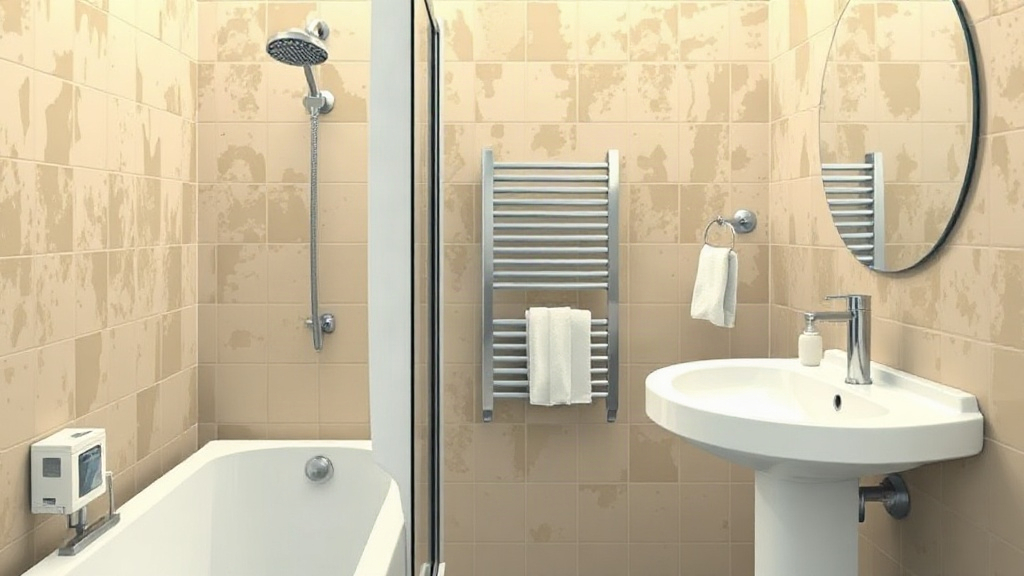
Mold is more than a cosmetic stain. Prolonged exposure to indoor mold can aggravate allergies and asthma symptoms in sensitive people, and it damages building materials it feeds on. Drywall paper, ceiling tile, and wood framing lose strength as they decay. A small patch of black staining on caulk is an easy fix; mold inside a wall cavity is not.
The cost argument matters too. Replacing a tube of sealant costs a few dollars. Replacing rotted framing, insulation, and drywall after a slow leak can run into the thousands. You can prevent mold growth in bathrooms and basements at almost no expense by acting on moisture early, long before the materials fail.
A dark stain on drywall or wood may be mold, but it could also be water staining. If the area is larger than about 10 square feet, or if mold has grown inside wall cavities or HVAC ducts, a professional should assess it. Cleaning over active mold growth traps moisture and hides the problem.
There is also a resale cost. Home inspectors flag visible mold and musty odors. Buyers often interpret them as signs of hidden leaks, so a small problem can lower an offer or delay a sale.
The cheapest mold remediation is the one that never happens. Track moisture, fix the source, and materials stay sound.
Best practices
Effective prevention comes down to a short, repeatable routine in each room, plus a few building-level fixes.
Ventilation habits that work
Run the bathroom exhaust fan every time you shower, and leave it running for 20 to 30 minutes afterward. Check that it actually moves air: hold a piece of toilet paper near the grille. If the paper does not cling, the fan is weak or blocked. Clean the grille and make sure it vents outdoors, not into the attic. In basements, run a dehumidifier to hold humidity between 30 and 50 percent, and use a hygrometer to confirm it.
Sealing and drying surfaces
Wipe walls, the shower door, and the tub rim after the last shower of the day. Re-caulk joints and regrout when sealant cracks or pulls away; water gets behind failed caulk and stays in the wall cavity. In basements, keep stored items on shelving at least a few inches off the floor, and leave a gap between boxes and exterior walls so air can circulate.
- Fix drips at faucets, toilet supply lines, and shower valves before they reach drywall.
- Extend downspouts several feet from the foundation and grade soil to slope away from the house.
- Repair foundation cracks and, where ground moisture is high, add interior or exterior drainage.
- Dry any flooded area within 24 to 48 hours using fans and a dehumidifier.
A weekly and seasonal routine
A five-minute weekly check catches most problems early. Look for new stains at caulk lines, damp spots on basement walls, and musty smells. Seasonally, clean the exhaust fan, check the sump pump, and clear leaves from gutters so water runs away from the structure.
Common mistakes to avoid
Many mold problems persist because of a few repeated missteps rather than bad luck.
Painting over mold. Paint does not kill mold, and moisture trapped under the film lets it return. Clean the surface first, dry it fully, and fix the moisture source.
Using the fan only during the shower. Moisture stays in the air long after the water stops. Running the fan for just two minutes leaves the room humid for hours.
Relaxing after a small fix. A cleared stain does not mean the leak is gone. Recheck the same spot after a heavy rain and after a week of normal use.
Storing items against basement walls. Boxes and furniture block airflow and absorb condensation. This is one of the most common causes of basement mold, and one of the easiest to fix.
Ignoring an exterior wall that feels wet. Condensation on a cold wall points to a moisture or insulation issue. Treating it as a cleaning problem wastes effort.
Keep indoor relative humidity below 60 percent. Above that level, condensation begins on cool surfaces, and mold can grow on damp material even in a clean room.
FAQ
How long does it take for mold to grow after a leak?
Mold can begin growing on wet materials within 24 to 48 hours. Dry any wet area as quickly as possible, and if a leak soaked drywall or insulation, assume it needs repair rather than surface drying.
Is bleach the best way to stop mold from coming back?
Bleach can clean visible staining on hard, non-porous surfaces, but it does not solve the underlying moisture. If the surface stays damp, mold returns. Fix the water source and dry the area first.
Can a bathroom exhaust fan be too weak?
Yes. A common rule of thumb is about one cubic foot per minute of airflow for each square foot of bathroom floor area. If the fan fails the toilet-paper test, clean the grille, check the duct, or replace the unit.
Do dehumidifiers actually help in basements?
They do when the basement is closed off and the humidity is high. Run one with the doors and windows shut, empty the tank or connect a drain hose, and set the target near 50 percent.
How much should mold prevention cost?
Most prevention is nearly free: ventilation, wiping, and routine checks. A hygrometer costs little, and a quality dehumidifier is the main expense for a damp basement. Repairs to leaks and drainage cost more but are far cheaper than remediation.
Conclusion
Preventing mold in bathrooms and basements rests on one principle: keep water moving and surfaces dry. Run the exhaust fan long enough, seal failed caulk, keep basement humidity near 50 percent, and fix leaks before they soak building materials. A five-minute weekly check and a seasonal fan and gutter cleaning will catch most problems early. If you take one action today, buy a cheap hygrometer, place it in the basement, and check the reading tomorrow morning. That single number tells you whether to focus on ventilation, drainage, or both before mold has a chance to start.





Leave a Reply