

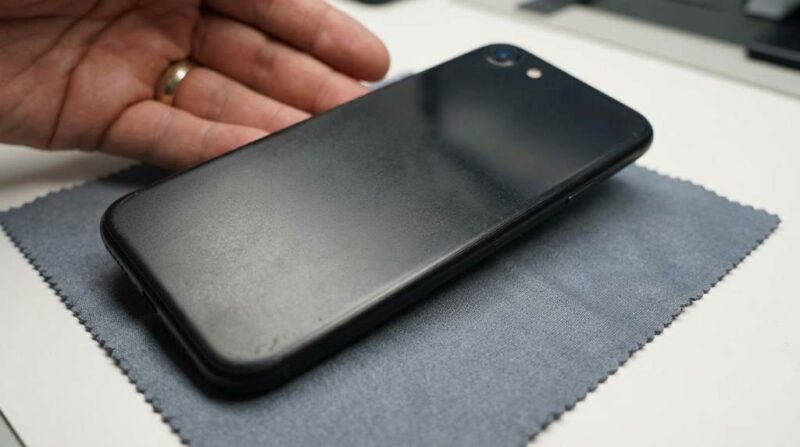
Buying a refurbished mobile phone can save a significant amount of money. In fact, many consumers choose refurbished devices because they cost much less than new models. According to industry reports, the global refurbished smartphone market continues to grow as buyers seek affordable technology options. However, not every refurbished phone offers the same quality. Therefore, buyers must verify authenticity before making a purchase. A careful inspection helps you avoid counterfeit devices, hidden defects, and costly mistakes.
Why Authenticity Matters When Buying A Refurbished Phone
An authentic refurbished phone comes from a genuine manufacturer device. A technician repairs, tests, and restores it before resale. However, some sellers disguise used or damaged phones as refurbished units. As a result, buyers may face battery issues, poor performance, or software problems. Therefore, understanding verification methods protects your investment and ensures long term reliability.
Many counterfeit phones closely resemble original devices. Although they look convincing, they often use inferior components. Consequently, users experience slower speeds, security risks, and reduced durability. Furthermore, fake devices rarely receive software updates. For this reason, authenticity verification should become a standard part of every purchase decision.
Check The IMEI Number First
What Is An IMEI Number?
The International Mobile Equipment Identity number identifies each mobile device uniquely. Manufacturers assign this number during production. Therefore, it serves as a digital fingerprint for the phone. You can use it to confirm whether the device matches official records. Moreover, it helps detect stolen or blacklisted phones.
How To Find The IMEI Number
You can locate the IMEI number in several ways. First, dial *#06# on the phone keypad. Next, compare the displayed number with the label on the device box. Also, check the SIM tray or settings menu. If the numbers differ, consider it a serious warning sign.
Verify The IMEI Online
Several manufacturer and carrier databases allow IMEI verification. Therefore, enter the number into trusted checking tools. Look for details such as model name, storage capacity, and manufacturing information. If the results do not match the phone, avoid the purchase immediately. Consistent information usually indicates a legitimate device.
Inspect The Physical Condition Carefully
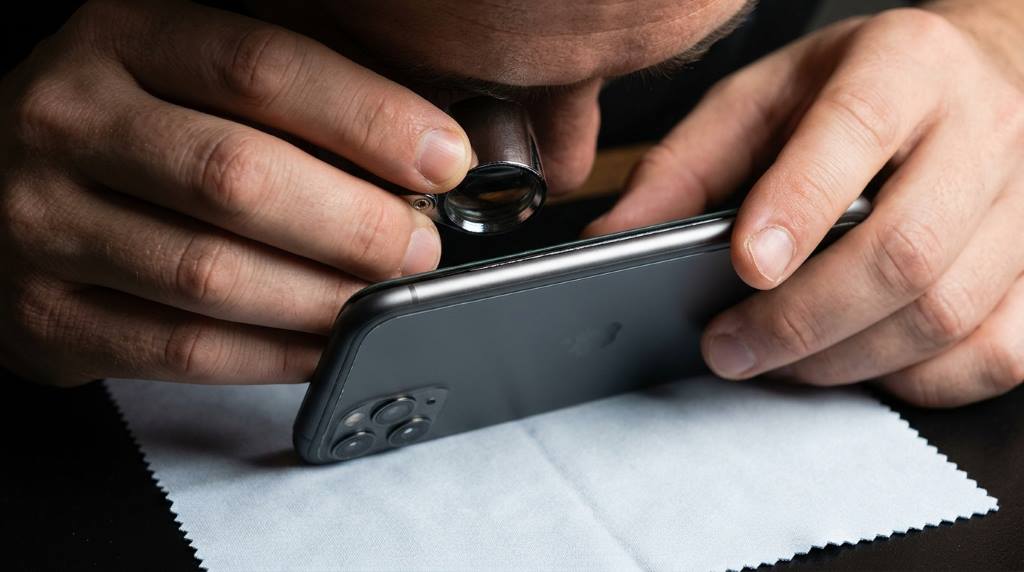
Refurbished phones should show professional restoration quality. Therefore, inspect the body under bright lighting. Look closely for uneven gaps, loose buttons, and poor assembly. These signs may indicate unauthorized repairs. In contrast, authentic refurbished devices typically maintain solid build quality.
Examine the display from different angles. Furthermore, check for dead pixels, discoloration, or touch response issues. A genuine refurbishment process usually includes screen testing. Therefore, major display defects should raise concerns. Small cosmetic marks may appear, but serious flaws should not.
Confirm The Original Model Specifications
Every smartphone model has official specifications. Therefore, compare the device information with manufacturer data. Check processor details, storage capacity, RAM size, and screen resolution. If any specification differs unexpectedly, investigate further. Authentic devices should match official records exactly.
You can access device information through system settings. Additionally, trusted diagnostic apps provide detailed hardware reports. Compare these findings with official specifications from the manufacturer. This step helps uncover modified or counterfeit phones. Consequently, buyers gain greater confidence before purchase.
Verify The Operating System
Counterfeit phones often use modified software. Although the interface may resemble a popular brand, hidden differences usually exist. Therefore, explore system settings carefully. Check software version details and update history. Genuine devices should display accurate manufacturer information.
Attempt a software update through official channels. If the phone connects successfully, authenticity becomes more likely. However, update failures may signal unauthorized modifications. Furthermore, unexpected menus or unusual applications deserve attention. Consistent software behavior supports device legitimacy.
Inspect Battery Health And Performance
Battery condition greatly affects overall phone value. Therefore, review battery health information whenever possible. Many modern smartphones provide battery status within settings. A healthy battery typically retains strong capacity. Consequently, users enjoy reliable daily performance.
Ask the seller whether the battery was replaced during refurbishment. Furthermore, request documentation if available. Genuine refurbishment programs often install certified replacement batteries. Therefore, transparency indicates professionalism. Hidden battery history should encourage additional caution.
Test All Hardware Functions
A complete hardware inspection reveals issues that visual checks miss. Therefore, test every major feature before finalizing a purchase. Spend several minutes evaluating performance. Authentic refurbished phones should function smoothly. Any major failure deserves careful investigation.
- Test front and rear cameras
- Check speakers and microphones
- Verify WiFi connectivity
- Confirm Bluetooth functionality
- Test charging performance
- Check vibration feedback
- Verify fingerprint sensors
- Inspect face recognition features
Additionally, place a test call if possible. Confirm clear audio quality during conversation. Also, verify mobile network reception strength. These practical tests help uncover hidden problems. As a result, buyers avoid unpleasant surprises later.
Review Refurbishment Certification
Reliable sellers often provide refurbishment documentation. Therefore, ask for certification details before purchase. This paperwork may include testing records and repair information. Furthermore, some manufacturers operate official refurbishment programs. Such documentation increases buyer confidence significantly.
Look for quality assurance reports when available. Additionally, review inspection checklists provided by the seller. A detailed refurbishment record demonstrates transparency. Consequently, buyers can better understand the phone’s history. Professional documentation often separates trustworthy sellers from questionable ones.
Check The Warranty Coverage
A warranty indicates confidence in product quality. Therefore, review warranty terms carefully before purchasing. Authentic refurbished phones often include limited warranty protection. This coverage helps reduce financial risk. Moreover, reputable sellers clearly explain warranty conditions.
Read the warranty details thoroughly. Furthermore, confirm the claim process and support options. Some sellers provide direct assistance, while others rely on third parties. Clear support channels indicate a more reliable business. Consequently, buyers gain additional protection.
Evaluate The Seller’s Reputation
Seller credibility plays a major role in authenticity verification. Therefore, research reviews across multiple platforms. Focus on comments regarding product condition and customer service. Consistent positive feedback often indicates reliability. However, repeated complaints deserve serious attention.
Check how the seller responds to negative reviews. Furthermore, evaluate communication quality before purchase. Professional responses suggest accountability and customer focus. In contrast, vague answers may signal future difficulties. Strong seller reputation supports a safer buying experience.
A Rare But Powerful Verification Method
Compare Sensor Data With Official Device Standards
Most buyers overlook internal sensor verification. However, this method often reveals sophisticated counterfeit devices. Genuine smartphones contain specific sensor configurations. Therefore, sensor reports should align with official hardware specifications. Any mismatch deserves closer examination.
Use a trusted diagnostic application to review sensors. Check accelerometer, gyroscope, proximity sensor, and compass information. Furthermore, compare the results with manufacturer specifications. Counterfeit devices sometimes omit advanced sensors entirely. This uncommon technique provides another layer of protection.
Consider Climate Related Wear Signs
Environmental exposure can affect refurbished devices significantly. Therefore, inspect signs of climate related damage carefully. Phones used in humid regions often develop internal corrosion. Consequently, charging ports and connectors may deteriorate faster. Visible oxidation should raise concerns.
Devices exposed to extremely hot climates may show battery swelling risks. Likewise, cold environments can affect battery efficiency over time. Therefore, ask about the phone’s usage history when possible. Understanding environmental exposure helps assess long term reliability. This practical step often receives little attention.
Verify Accessories And Packaging
Authentic refurbished phones may include replacement accessories. However, quality should remain consistent with manufacturer standards. Therefore, inspect charging cables, adapters, and packaging carefully. Poor quality accessories may indicate broader authenticity concerns. Small details often reveal important clues.
Check labels, serial numbers, and branding consistency. Furthermore, compare packaging information with official product details. Authentic sellers generally maintain accurate documentation. Therefore, mismatched packaging deserves further investigation. Consistency strengthens confidence in the purchase.
Warning Signs You Should Never Ignore
Several red flags frequently appear during questionable sales. Therefore, recognize these warning signs before committing money. Quick decisions often lead to costly mistakes. A cautious approach provides better outcomes. Smart buyers always investigate concerns thoroughly.
- Missing IMEI information
- Extremely low pricing
- No warranty coverage
- Unverified seller identity
- Mismatched specifications
- Failed software updates
- Suspicious packaging details
- Incomplete refurbishment records
Best Verification Checklist Before Purchase
Following a structured process improves purchase confidence. Therefore, review every important verification point systematically. A checklist reduces the chance of missing critical details. Furthermore, it creates a consistent evaluation method. Organized buyers make better decisions.
- Verify IMEI authenticity
- Check physical condition
- Confirm model specifications
- Test operating system updates
- Inspect battery health
- Evaluate all hardware features
- Review refurbishment certification
- Confirm warranty coverage
- Research seller reputation
- Compare sensor configurations
Conclusion
Authentic refurbished phones offer excellent value when buyers verify them properly. Therefore, inspect the device carefully before completing any purchase. Focus on IMEI validation, hardware testing, software verification, and seller credibility. Additionally, use advanced checks such as sensor verification for extra confidence. Start applying these steps today and purchase refurbished phones with greater security and peace of mind.
FAQs
How can I check if a refurbished phone is genuine?
Verify the IMEI number, compare specifications, test hardware functions, and review seller documentation.
Is buying a refurbished phone safe?
Yes, buying from reputable sellers with warranties and verified refurbishment processes is generally safe.
Can a fake phone have a valid IMEI number?
Some counterfeit devices copy IMEI numbers, so additional verification steps remain important.
Should a refurbished phone receive software updates?
Yes, authentic refurbished devices should support official software updates from the manufacturer.
What is the biggest warning sign when buying refurbished phones?
Missing IMEI information combined with unusually low pricing often indicates significant risk.





Leave a Reply