


You build sustainable passive income by combining digital assets, automation tools, and consistent reinvestment. It’s not a one-time setup. It’s a system you build, test, and improve over time.
Most people fail at passive income because they expect instant results. They buy a course, launch one product, and quit when it doesn’t work in week one. Real passive income takes months of active work before it becomes truly passive.
This guide breaks down exactly how to build income streams that last. You’ll learn which methods work best for tech-savvy people, how to avoid common traps, and how to scale what works.
What “Sustainable” Passive Income Actually Means

Sustainable passive income means the stream keeps generating money with minimal upkeep, even as markets shift. It’s different from a quick side hustle that dies when trends change.
Many so-called passive income ideas actually require constant babysitting. A dropshipping store that needs daily customer service isn’t passive. A YouTube channel that demands weekly uploads to stay relevant isn’t fully passive either.
True sustainability comes from three things: automation, diversification, and reinvestment. You automate the repetitive tasks. You spread income across multiple sources. You reinvest profits to strengthen what already works.
Understanding the Income Spectrum: Transitioning from Semi-Passive Effort to Truly Automated Wealth
While fully passive income requires virtually no ongoing oversight once established, semi-passive streams still demand periodic management—positioning cash flow generation along a spectrum rather than a strict binary. A self-managed freelance enterprise remains rooted in active labor, whereas a real estate portfolio overseen by a property management firm moves significantly closer to complete autonomy; similarly, most tech-driven models begin as hands-on operations and mature into hands-off assets over time. However, building recurring cash flow is only the initial milestone of financial independence. True long-term security depends on strategic asset allocation, invest money wisely for long-term wealth to compound your excess revenue and systematically protect your growing capital.
Digital Products: The Fastest Path for Tech-Savvy Creators
Digital products let you build once and sell repeatedly, with no inventory or shipping involved. This makes them one of the most scalable passive income options available today.
Examples include online courses, templates, software tools, e-books, and stock digital assets like icon packs or code snippets. Once created, these products sell automatically through platforms that handle payment and delivery.
Choosing the Right Digital Product
Pick a product based on a skill you already have and a problem your audience already struggles with. Don’t guess what people want. Research it first.
Look at forums, Reddit threads, and comment sections in your niche. Notice recurring complaints or questions. That’s your product idea. According to industry experts, products built around a specific pain point sell far better than generic, broad-topic products.
Automating the Sales Process
Use email automation and a simple sales page to handle purchases without your involvement. Tools like ConvertKit, Gumroad, or Podia can manage delivery, receipts, and follow-up emails automatically.
Set this up once. Test it. Then let it run in the background while you build your next product or income stream.
Affiliate Marketing Through Content and SEO
Affiliate marketing generates passive income when you rank content in search engines that recommends products people already want to buy. You earn a commission when someone clicks your link and makes a purchase.
This works especially well in tech niches, where people constantly search for software reviews, tool comparisons, and buying guides before spending money.
Building Content That Ranks Long-Term
Focus on evergreen topics instead of trending news, since evergreen content keeps earning traffic for years. A comparison article between two project management tools will likely rank for years. A post about “best tech deals this week” won’t.
Write genuinely helpful content first. Search engines and readers both reward real usefulness over sales pitches disguised as reviews.
Avoiding the Common Affiliate Mistake
Many beginners promote too many products at once, which dilutes trust and hurts conversions. Instead, focus on a small number of tools you actually use and believe in.
Readers can tell the difference between a genuine recommendation and a random affiliate link stuffed into a paragraph. Trust converts better than volume.
Investing in Dividend Stocks and Index Funds
Dividend investing builds passive income by paying you a portion of company profits simply for holding shares. It requires upfront capital but almost no ongoing effort once invested.
This method suits people who want true passivity over active management. You’re not building anything. You’re buying ownership in things that already generate cash flow.
Starting Small Without Large Capital
You don’t need thousands of dollars to start. Many brokerages now allow fractional share purchases, so you can invest with as little as $50 or $100 into diversified index funds or dividend-paying ETFs.
Consistency matters more than the amount you start with. Automating a monthly transfer into your investment account builds momentum without requiring willpower every time.
Reinvesting Dividends for Compound Growth
Reinvest your dividends instead of cashing them out, since this accelerates growth through compounding over time. Most brokerages offer automatic dividend reinvestment plans (DRIPs) that handle this for you without any manual work.
Over years, this compounding effect turns small, consistent investments into meaningful passive income.
Building and Renting Out Digital Assets
Digital assets like websites, apps, and niche software tools can generate ongoing revenue through subscriptions, ads, or licensing fees. Unlike physical rentals, they scale without added maintenance costs per user.
A well-built app with a subscription model can serve one customer or ten thousand with roughly the same effort. That scalability is what makes digital assets so attractive for long-term passive income.
Low-Code and No-Code Tools Lower the Barrier
Platforms like Bubble, Webflow, and Glide let non-programmers build functional apps and websites without hiring a developer. This has opened passive income opportunities to people who previously needed technical skills they didn’t have.
You can build a simple tool, solve one specific problem well, and charge a small monthly fee. Even a few hundred subscribers at $10 per month adds up to meaningful recurring revenue.
Selling or Licensing Completed Projects
If you don’t want to run a project long-term, you can sell it outright on marketplaces built for buying and selling online businesses. Sites like Flippa and Empire Flippers connect buyers with sellers of websites, apps, and digital assets.
This turns your build-once effort into either recurring income or a lump-sum payout, depending on your goals.
Automating Content Distribution With AI Tools
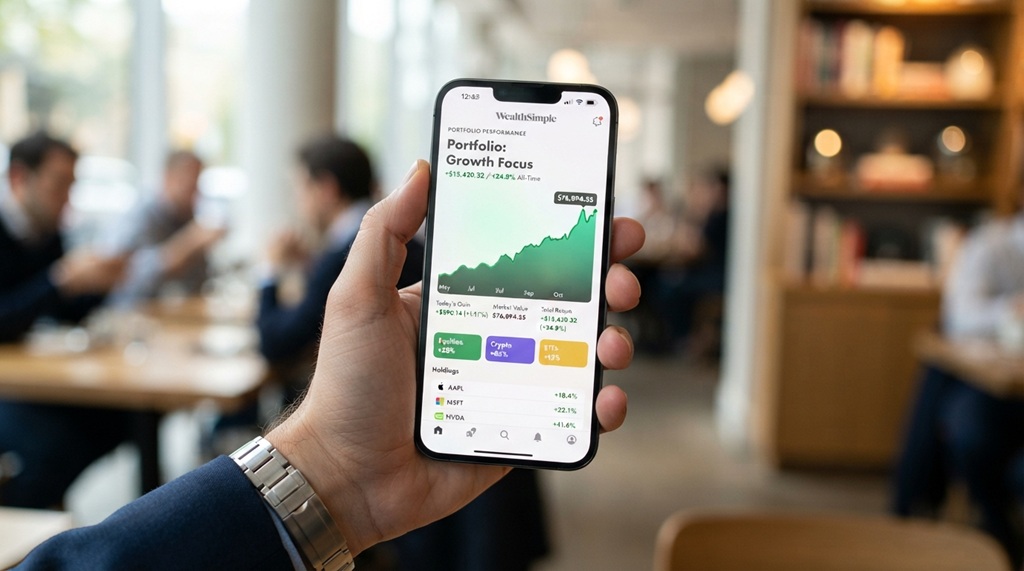
AI tools now handle much of the repetitive work behind content-based passive income, including repurposing, scheduling, and basic editing. This frees up your time to focus on strategy instead of execution.
For example, a single long-form article can be automatically turned into social media posts, email newsletters, and short video scripts using AI-assisted tools. This multiplies the reach of content you already created, without extra manual effort.
Where AI Genuinely Helps (and Where It Doesn’t)
AI speeds up production and distribution, but it doesn’t replace the strategic thinking behind what to create in the first place. Use it to save time on execution, not to replace your judgment about what your audience actually wants.
The most successful creators use AI as a force multiplier, not a replacement for original thinking. That distinction matters more as more content becomes AI-generated and generic.
Avoiding the Biggest Mistakes That Kill Passive Income Projects
Most passive income projects fail because people quit before automation kicks in, not because the idea itself was bad. Understanding this timing problem is the single most useful insight for anyone starting out.
Here’s a genuinely underrated tip: track your time investment weekly for the first three months. Most people underestimate how much active work “passive” income actually requires upfront, then feel discouraged when results lag behind effort. Seeing the real numbers keeps expectations realistic and prevents premature quitting.
Other common mistakes include spreading effort across too many income streams at once, skipping audience research before building a product, and neglecting to reinvest early profits into growth.
Frequently Asked Questions
How much money do I need to start building passive income?
It depends on the method. Digital products and content-based income can start with under $100 for tools and hosting. Dividend investing can start with as little as $50 using fractional shares.
How long does it take before passive income becomes truly passive?
Most streams take six months to two years of active work before requiring minimal maintenance. Digital products often reach this point faster than content-based methods like blogging or YouTube.
Is passive income really “passive,” or is that a myth?
Early stages require significant active effort, so it’s not passive from day one. Over time, with proper automation and systems, the ongoing work drops significantly, making it genuinely low-maintenance.
Can I build passive income with no technical skills?
Yes. No-code tools, freelancer marketplaces, and beginner-friendly platforms let non-technical people build digital products, simple apps, and content businesses without coding knowledge.
What’s the safest passive income method for beginners?
Dividend investing through index funds is generally considered the lowest-risk starting point. It requires no product creation and relies on established, diversified companies rather than an unproven idea.
Conclusion
Sustainable passive income comes from combining the right method with realistic expectations and consistent early effort. Whether you choose digital products, affiliate marketing, investing, digital assets, or a mix of several, the core principle stays the same: build once, automate what you can, and reinvest to grow.
Start with one method that matches your current skills and resources. Master it before adding a second stream. Passive income built this way, step by step, tends to last far longer than income chased through shortcuts.





Leave a Reply